Indoor pool
Hotel
Museum
Pharmaceutical
Water damage
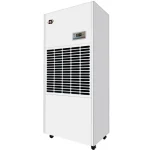
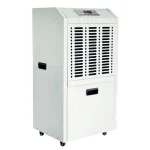
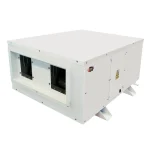
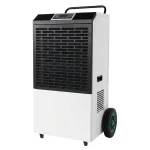
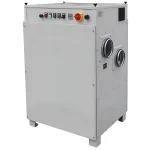
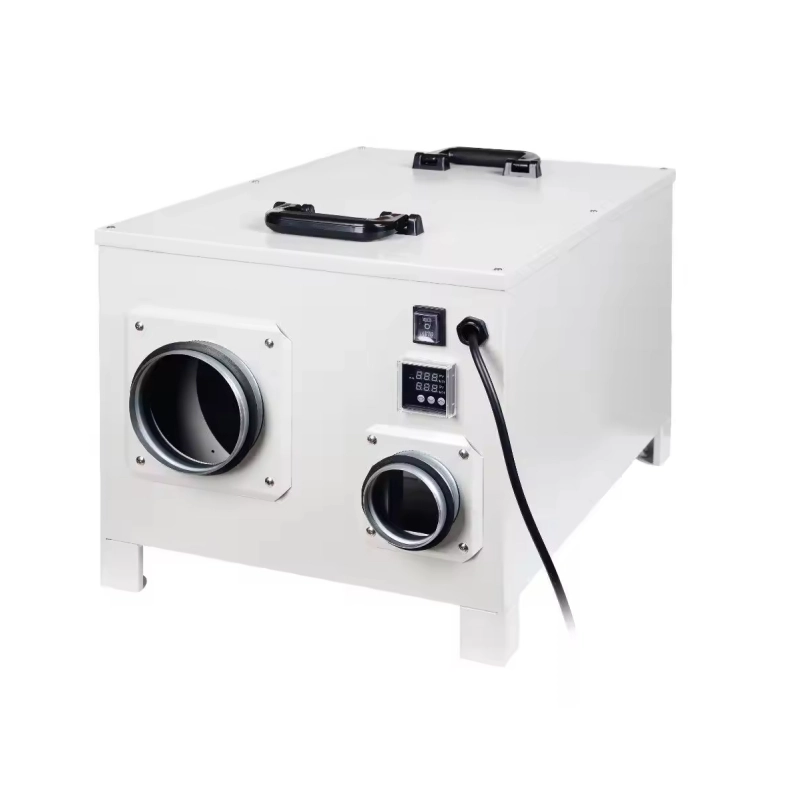
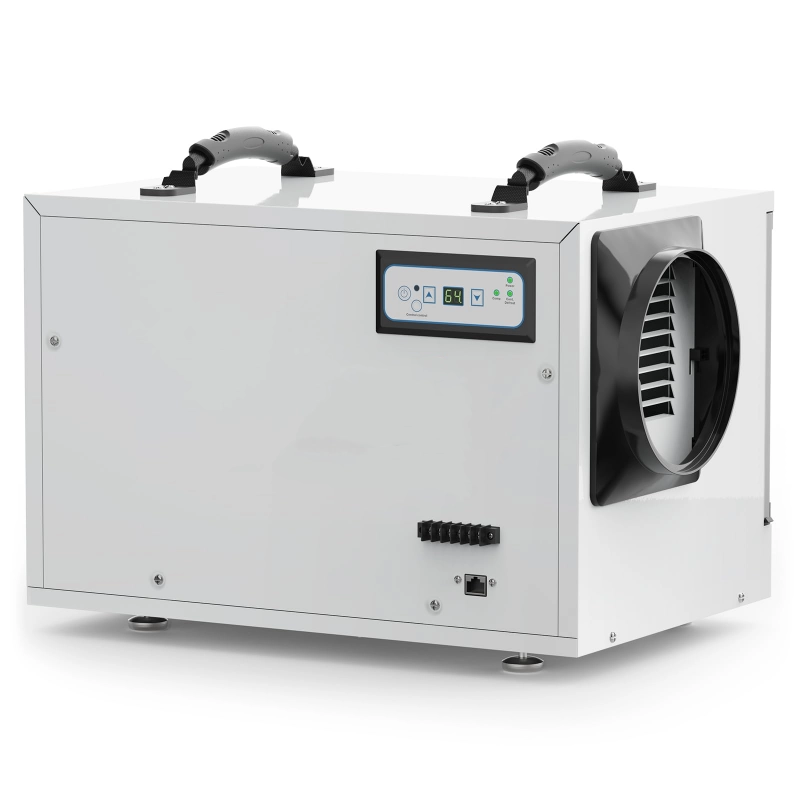
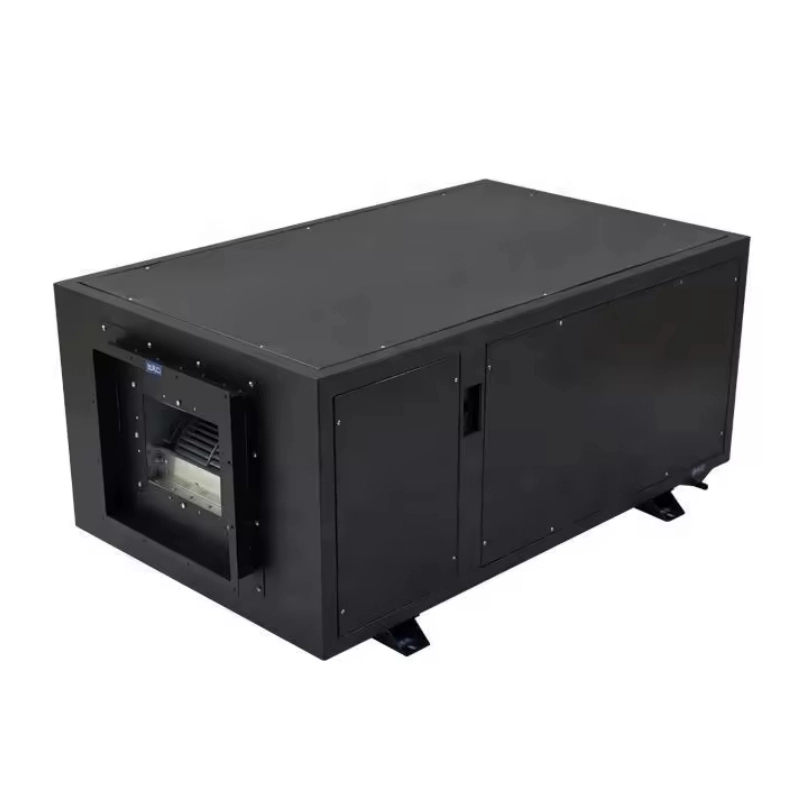
A desiccant dehumidifier for basement use is designed for cold, damp, and enclosed spaces where moisture tends to stay trapped for long periods. Compared with conventional dehumidification methods, desiccant rotor technology supports more stable drying performance in lower-temperature basement conditions. It is a practical choice for residential basements, finished basements, storage basements, utility rooms, and light commercial basement areas that need steady humidity control, cleaner air conditions, and flexible OEM / ODM support for airflow, controls, voltage, drainage, branding, and product structure.


The desiccant dehumidifier for basement is suitable for enclosed basement environments where moisture tends to stay trapped for long periods. It is a practical option for spaces that need more stable humidity control in cooler, damp, and poorly ventilated conditions.
1. Residential Basement
Common problems:
Suitable for:
Residential basement spaces where moisture tends to collect slowly and stay in the air for long periods. A drier environment helps improve everyday usability and reduces the feeling of stale, damp air.
2. Finished Basement
Common problems:
Suitable for:
Finished basement areas where more stable humidity helps protect interior materials, furnishings, and overall indoor comfort. This is a good fit for enclosed basement spaces that need more balanced moisture control.
3. Storage Basement
Common problems:
Suitable for:
Storage basement environments where long-hour humidity control matters more than short-term water removal. Keeping the area drier helps protect boxed items, paper goods, textiles, and household storage.
4. Basement Laundry or Utility Room
Common problems:
Suitable for:
Basement laundry rooms and utility areas with a higher moisture load and limited airflow. It is a practical choice for spaces that need more stable drying conditions and easier continuous drainage during regular use.
5. Light Commercial Basement Area
Common problems:
Suitable for:
Light commercial basement spaces that require dependable humidity management during longer operating hours. It also works well for project-based supply needs with flexible OEM / ODM options.
This content is hosted by YouTube. By clicking "Accept Cookies", you consent to YouTube's cookie policy and the video will load.
Or watch directly on YouTube →click images above to enlarge
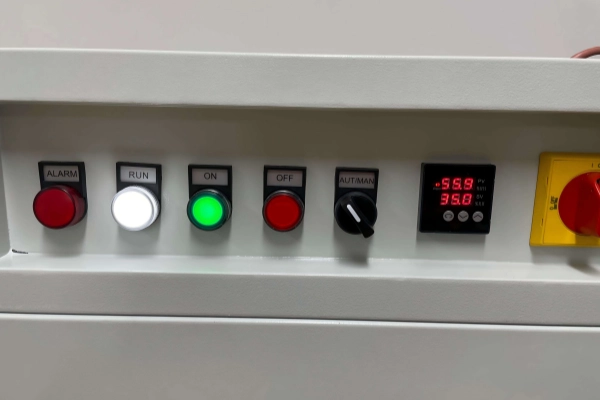
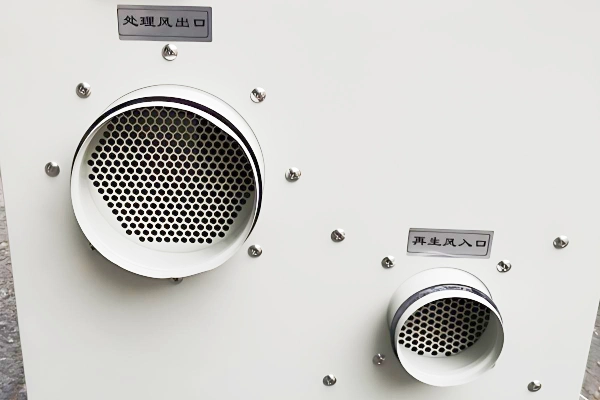
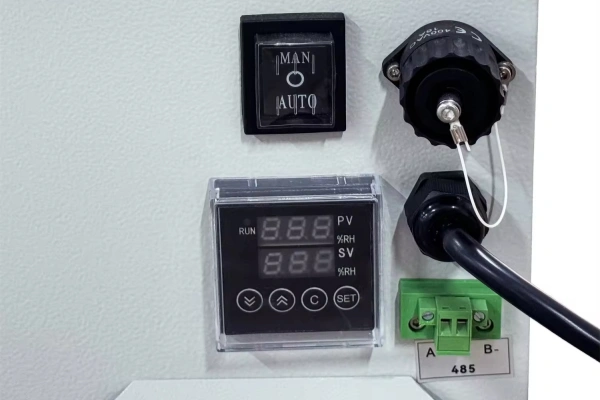
This basement desiccant dehumidifier is designed around practical daily use in cold, enclosed, and moisture-prone spaces. From the control layout and service-friendly structure to the drainage setup and compact placement, each detail is developed to support stable basement humidity control and straightforward project matching. For buyers looking for OEM / ODM supply, this product line can also be adjusted for branding, configuration, and market-specific requirements.

Dehumidifier size depends on basement square footage and how damp the space gets. Smaller basements may need 30–50 pints, while larger or wetter spaces often need 70 pints or more.
Yes. It is a practical option for basements that stay cold, enclosed, and damp for long periods. It is especially suitable when stable humidity control matters more than short-term moisture extraction.
Yes. This type of unit is intended for long-hour humidity control in spaces where moisture is a steady issue rather than an occasional one.
Basements are naturally more prone to dampness because they are cooler and sit close to the ground. Without humidity control, excess moisture can lead to mold, mildew, warped wood, peeling paint, and stale odors.
Your information will be kept strictly confidential.

Our team would be happy to meet you and learn all about your business, requirements and expectations.