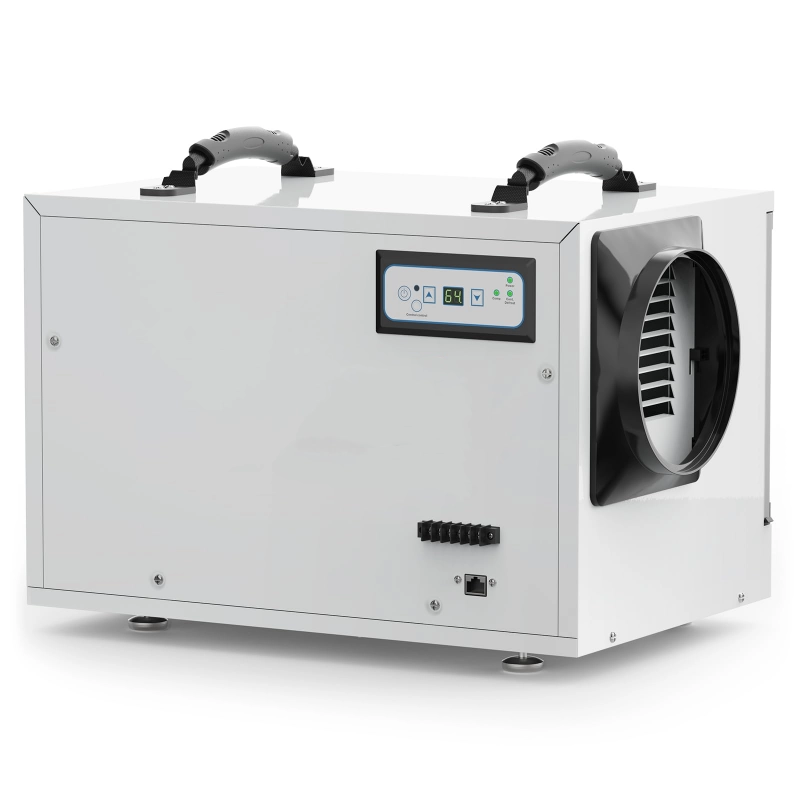
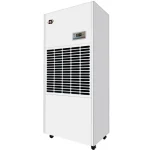
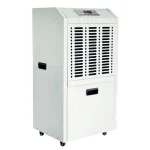
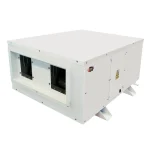
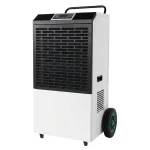
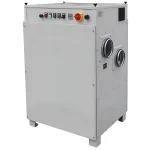
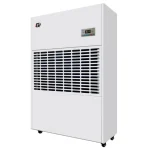
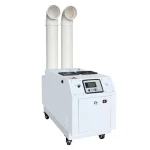
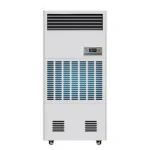
Low Temperature Dehumidifier

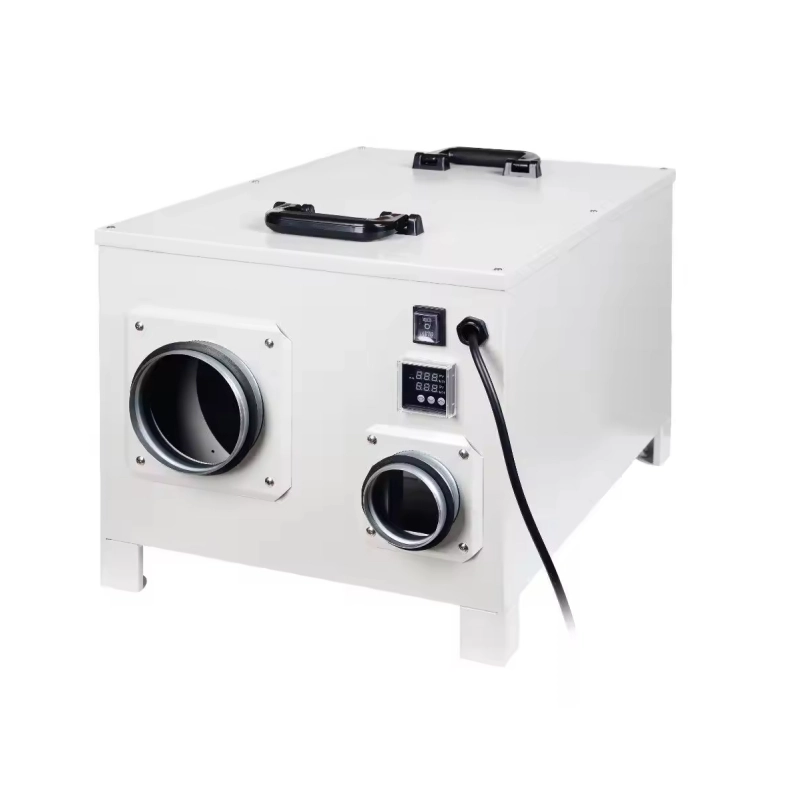
Our low temperature dehumidifier is an industrial-grade moisture control solution engineered specifically for freezing conditions and chilled environments. It delivers the reliability, performance, and low maintenance that industrial operations demand, solving humidity challenges in cold environments to protect your products and property.

Key Features of Low Temperature Dehumidifier

This Low temperature dehumidifier for freezing conditions excels in places like cold storage warehouses, freeze-drying facilities, unheated basements, wine cellars, food processing plants, and pharmaceutical cold chain storage. It’s purpose-built for low-temperature operation – maintaining dryness even at temperatures as low as 2 °C. Its advanced design prevents frost buildup and maintains efficiency where others fail. A four-way-valve defrost system clears frost automatically within minutes, so capacity recovers instead of collapsing as the coil ices over. In fact, it’s rated to start and operate reliably at 2 °C (36 °F), far below the safe range of typical dehumidifiers. This makes it the go-to solution for cold storage areas and any application requiring humidity control in freezing conditions – delivering dry air without interruption when ordinary units would ice up or shut off.

Low temperature dehumidifier built with heavy-duty components to run continuously, it uses a world-class compressor with a three-minute delayed restart protection to prevent overload. The chassis and coils are industrial quality , designed for 24/7 operation in demanding conditions. This robust construction translates to high reliability, minimal downtime, and a long service life even with constant use in cold, humid environments. Unlike built-in systems, this dehumidifier offers portability for flexible use across your facility. It is mounted on sturdy casters and equipped with ergonomic handles, so one person can easily roll it to different rooms or positions as needed.

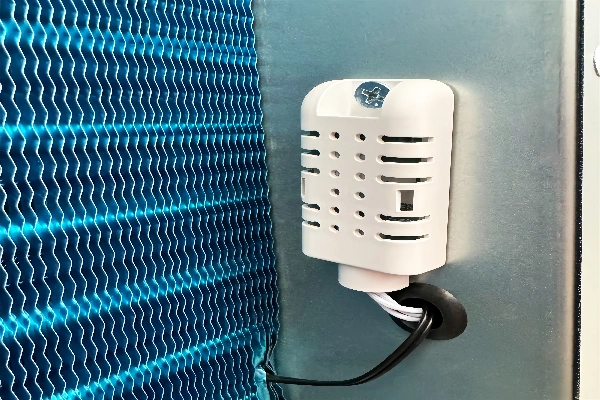
The cold temperature dehumidifier features an accurate digital humidistat for smart humidity control. A built-in monitoring system safeguards the unit and your facility. It includes sensor-based protections like phase sequence/phase loss protection for the motor and compressors, as well as overheat and frost sensors. The controller provides real-time fault code displays to alert operators to any abnormal conditions. If anything ever deviates from normal, the system will warn you. These protections prevent damage, facilitate easy troubleshooting, and ensure safe operation around the clock with minimal supervision.

With industrial fans moving up to 5600 m³/h of air, the unit achieves effective circulation in large spaces, ensuring even drying with no stagnant pockets of humidity. Despite its high airflow and fast dehumidification rates, it operates with low noise and excellent energy efficiency. The efficiency comes from the optimized refrigeration system and heat exchange design – removing maximum moisture per kWh of power. This means you get powerful performance in cold conditions without excessive energy costs or loud operation, keeping both your utility bills and your work environment comfortable.

How Four-Way Valve Defrost Works — and Why It Matters at Low Intake Temperatures

Every refrigerant dehumidifier ices up eventually. The evaporator coil has to sit below the dew point of incoming air to condense moisture – and once the coil surface drops below 0 °C, that condensate freezes onto the fins instead of draining away. Frost then blocks airflow and capacity collapses.

The question is not whether a unit frosts. It is how fast it clears the frost, and how much dehumidification it loses doing so.

The three ways to defrost

  1. Off-cycle (passive) – the compressor stops and room air melts the frost. Cheapest and slowest. In a cold room it may never fully clear.
  2. Electric heater – an element melts the frost. Fast, but it adds electrical load and dumps that heat into your room. A real problem in cold storage and in grow rooms.
  3. Four-way valve, reverse cycle – what we use.

What the four-way valve actually does

In normal operation the compressor sends hot, high-pressure refrigerant to the condenser, while the cold evaporator coil condenses moisture out of the air.

A temperature sensor on the coil monitors for frost formation. When it detects frost, the four-way valve reverses the refrigerant flow: that same hot gas is routed into the evaporator coil instead. The coil that was collecting frost becomes the hot coil, and the frost melts from the metal outward. The valve then switches back and dehumidification resumes.

What this means on site

  • Defrost is triggered by actual coil temperature, not a fixed timer – the unit defrosts when it needs to, and not when it doesn’t.
  • No electric defrost heater: no extra kW on your electrical supply, and no added heat load in the room.
  • Frost is melted from the coil side rather than by room air, so defrost still works when the room itself is cold.

And the limits, because your engineer will ask:

  • Rated operating range is 2–38 °C. Below 2 °C intake, this is the wrong technology – use a desiccant wheel dehumidifier instead.
  • Dehumidification pauses during a defrost cycle. Our low-temperature capacity figures already account for this – ask for the figure at your actual intake condition, not the 30 °C / 80% RH nameplate.
  • Reverse-cycle defrost briefly draws heat from the room; expect a small temperature dip during the cycle.

Key Application Scenarios & Solutions

 A low temperature dehumidifier is used in a food processing factory to dry food ingredients Industrial dehumidifier for wine cellars in use with wine bottles on shelvesImage of a large cold storage facility showing how an industrial dehumidifier for cold storage works.

Cold Storage Warehouses: Prevents frost and ice buildup, keeping aisles dry and inventory safe.
Freeze-Drying Rooms: Reliably removes moisture in extremely low-temperature, low-humidity environments to protect product quality.
Basements & Unheated Garages: Extracts moisture even in near-freezing conditions to prevent mold, mildew, and corrosion.
Wine Cellars: Precisely controls humidity in cool temperatures to preserve wine quality and labels.
Food Processing & Storage Areas: Prevents condensation and frost in chilled production rooms, improving hygiene and safety.
Pharmaceutical Cold Chain Storage: Maintains reliable humidity control in refrigerated storage to protect sensitive drugs and packaging.

About Product

click images above to enlarge

Our low-temperature industrial dehumidifier delivers reliable, efficient humidity control in the most challenging cold environments. It is a specialized solution that maintains dry, frost-free conditions in cold storage and freezing situations, ultimately protecting your products, enhancing safety, and reducing maintenance hassles. For any business that depends on cold facilities – from food processing to pharmaceuticals – this dehumidifier provides peace of mind that moisture is under control even when temperatures drop.

Technical Specifications of Low Temperature Dehumidifiers

Related questions about Low Temperature Dehumidifiers OEM

A dehumidifier generally will not operate satisfactorily at temperatures below 41°F or under extremely low humidity conditions. When the temperature drops below 41°F, the evaporator coils may freeze. For proper air circulation, you should allow at least 18 inches of space on all sides of the appliance.

Desiccant dehumidifiers are highly effective in cooler climates, or in situations where low humidity levels, deep drying, or a low dew point are required. Because they do not produce water, Ruiwang desiccant dehumidifiers can operate efficiently even at sub-zero temperatures.

Yes—if your garage has high humidity, a dehumidifier is worthwhile because it helps prevent mold, rust, and corrosion on tools, vehicles, and stored items. It’s especially beneficial in damp climates or in unfinished garages. For best results, you may need some sealing and insulation to improve overall effectiveness. If your unheated garage stays consistently cold, consider a desiccant dehumidifier, which performs more efficiently than refrigerant models at low temperatures.

Looking for More Temperature-Resistant Dehumidifiers

Contact Us Today, Get Reply Tomorrow

Space to Dehumidify
Application

Your information will be kept strictly confidential.

Ruiwang employees and clients at a trade show.

Our team would be happy to meet you and learn all about your business, requirements and expectations.