
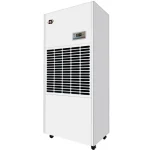
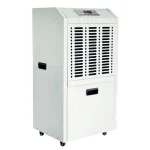
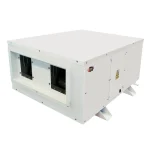
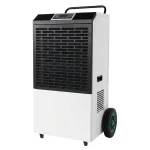
Damp basements not only produce unpleasant musty odors but can also breed mold and fungi, eroding building structures and stored items. During the rainy season, relative humidity in basements can reach over 80%, causing documents to mold, electronic devices to short-circuit, and food, medicine, and clothing to easily become damp and spoil. Prolonged exposure to a damp, moldy environment can also affect health; mold spores and allergens can trigger respiratory illnesses, allergic reactions, and even serious health problems such as asthma. Therefore, we need to use a basement dehumidifier to tackle these issues directly.
Why Basements Tend to Be Damp
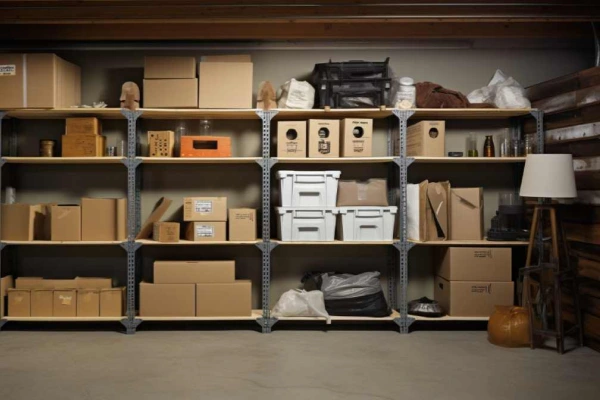
- Below-Grade Moisture and Soil Water
Saturated soil from rain or high water tables creates hydrostatic pressure, forcing moisture through cracks in the basement walls and floor. - Condensation on Cool Surfaces
Warm, humid air condensing on cool basement surfaces leads to moisture buildup that creates damp walls and soaks stored belongings. - Poor Ventilation
Many basements are closed off or have very small windows. The lack of airflow means once moisture gets in, it stays in. In a basement, stagnant air allows humidity to build up. - Indoor Moisture Sources
Leaky pipes can drip water onto walls or floors. An older water heater or HVAC unit might release moisture. All these indoor sources add to the overall humidity. - Climate and Geography Factors
Your local climate plays a role, too. If you live in a humid region (for example, the Southeast U.S.), the ambient humidity is high and will easily infiltrate the basement.
How to Determine If You Need a Dehumidifier in the Basement
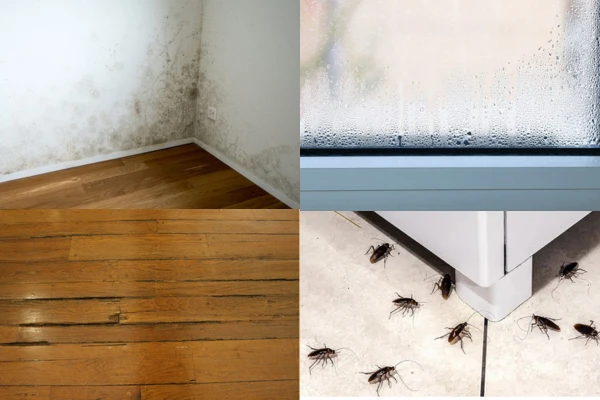
- Musty Odors: A persistent, dank smell indicates the presence of mold or mildew, even if it isn’t visible yet. If the space smells like a wet towel, the moisture level is too high.
- Visible Mold or Mildew: Look for fuzzy patches, discoloration (black, green, or white spots), or powdery films on walls and stored items. This indicates a severe moisture problem that risks property damage and health.
- Condensation: Foggy windows or water beads on cold metal pipes mean the air is saturated with moisture. Over time, this condensation leads to water damage and rust.
- Pest Infestations: Moisture-loving insects (silverfish, centipedes, cockroaches) and dust mites thrive in humidity above 50%. An increase in pest activity often signals high humidity levels.
- Material Damage: Excess humidity degrades materials. Look for warped wood, rusted tools, peeling paint, or soggy cardboard boxes.
Key Operational Benefits of Dehumidification
- Optimized Indoor Air Quality (IAQ) & Health Compliance
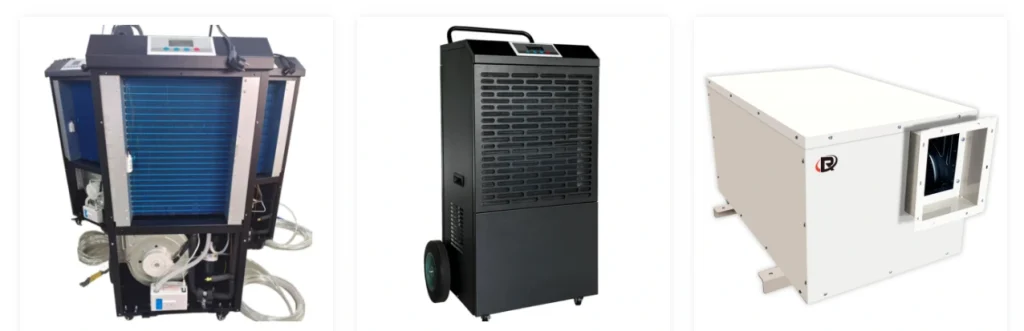
By maintaining humidity levels below 50%, dehumidifiers actively suppress the proliferation of allergens and toxic particulates. This creates a safer environment for occupants, reduces health-related liabilities, and ensures compliance with air quality standards without relying solely on ventilation. To ensure this compliance, Ruiwang dehumidifiers feature built-in digital displays, providing real-time visibility that allows you to verify humidity levels at a glance.
- Structural Integrity & Asset Preservation
Dehumidification acts as preventative maintenance for the building’s core. It halts moisture-induced degradation of foundation walls, support beams, and metal infrastructure. This proactively extends the facility’s lifespan and drastically reduces capital expenditures on structural repairs. For instance, without humidity control, wooden floor joists can absorb moisture, leading to warping and rot. By mitigating this risk, you avoid the staggering cost of major structural renovations down the line. - Inventory Protection & Space Utility
Controlling moisture transforms the basement into a viable, safe storage or operational space. It safeguards valuable assets—such as archives, electronics, and equipment—from corrosion and spoilage, minimizing inventory loss and maximizing the utility of the square footage. - Risk Mitigation (Pests & Secondary Damage)
A dry environment eliminates the condensation that leads to secondary water damage on pipes and windows. Furthermore, it serves as a natural deterrent to pests, significantly lowering infestation risks and reducing the operational costs associated with chemical pest control.
How Dehumidifiers Work
Wondering what magic box can suck water out of the air? Here’s a simple step-by-step of the process:
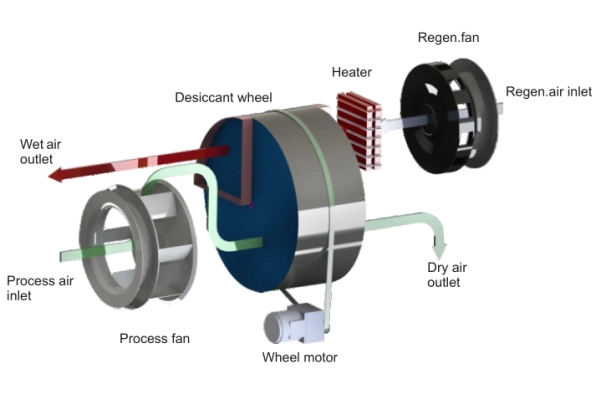
- Intake: A fan draws humid air into the unit.
- Condensation: The air passes over cold evaporator coils. As the air cools, its moisture turns into water droplets (condensation).
- Collection: Water drips into a reservoir bucket or drains away via a continuous hose.
- Exhaust: The dried air passes over warm coils to be reheated slightly before being released back into the room.
The unit cycles on and off using a humidistat to maintain your target humidity level (e.g., 50%). For a deeper dive into the science behind moisture removal, check out our comprehensive guide on how dehumidifiers remove moisture.
industrial dehumidifier selection guide
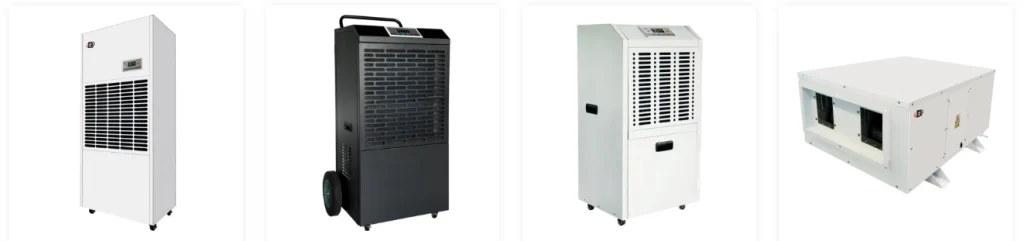
- Capacity, Moisture Levels
Start by matching the capacity (pints removed per day) to your basement’s size and dampness. A standard rule of thumb: for a “moderately damp” space (one that feels clammy or smells musty, but has no visible water), a 30-pint unit is sufficient. - Drainage Options
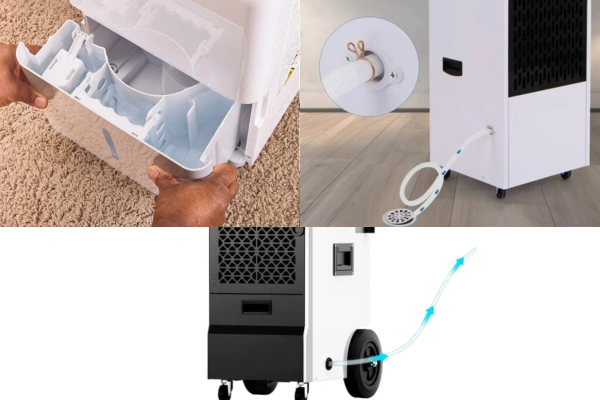
Matching the Method to Your Setup. How you get rid of the water depends entirely on your basement’s layout:
Manual Water Tank: This method is most suitable for frequently accessed or inhabited basement bedrooms. You simply pull out the bucket and empty it manually when full.
Gravity Drainage: Ideal for basements with a floor drain. By attaching a standard hose to the unit, water flows out via gravity.
Built-in Pump: The pump actively pumps water vertically. Essential for basements without floor drains or where water must be moved uphill (e.g., out a basement window or into a sink).
- Smart Features & Winter Protection
Look for user-friendly features like a digital humidistat for precise humidity control and Wi-Fi connectivity, which lets you monitor alerts (like a full bucket) from your phone. Auto-Defrost is the most critical feature. Because basements are typically the coldest part of the home—especially in winter—standard dehumidifiers can freeze up when temperatures drop below 65°F (18°C). The auto-defrost function allows the unit to detect ice buildup and melt it automatically, ensuring it continues to operate efficiently even in cooler environments.
commercial basement dehumidifiers
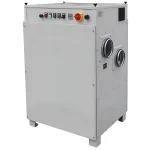
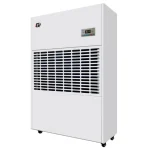
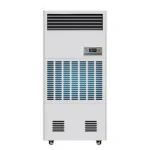
- Superior Capacity for Fast Drying: Unlike standard 30-pint home units, the RW-601E removes 60L (approx. 127 pints) per day, and the RW-901E removes 90L (approx. 190 pints) per day. This ensures your basement dries out quickly, even after heavy rains or leaks.
- Flexible 3-Way Drainage: Offers three flexible drainage options to suit any setup: manual water tank, continuous gravity drainage, or pump drainage.
- Automated Frost for Winter Use: The RW series Dehumidifier features an Automated Frost system that detects and melts ice buildup automatically.
- Smart Memory & Precise Control: Features a power failure memory function to automatically restart after outages and allows precise humidity control (10%-95% RH) to maintain the perfect dryness level.
Basement Dehumidifier: Usage & Maintenance Guide
Setup and Operation
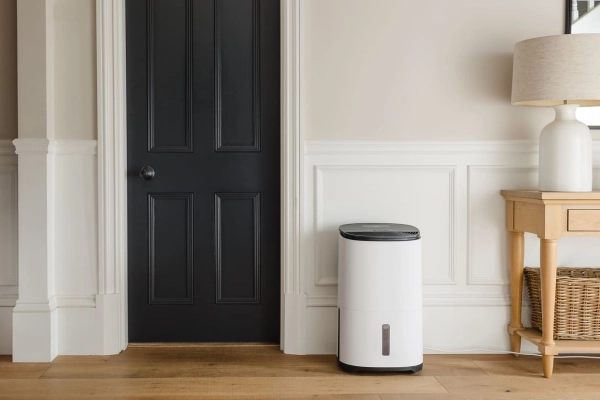
- Placement: Place on a level surface with ample clearance for airflow. Keep away from curtains, boxes, or walls to prevent intake/exhaust blockages.
- Seal the Room: Keep all windows and doors closed during operation to maximize efficiency.
- Target Humidity: Set the humidistat to 45–50%. Use a separate hygrometer if the unit lacks a built-in monitor.
- Operation Mode: Run continuously for initial drying. Once humidity is controlled, allow the unit to cycle automatically.
For detailed instructions and technical specifications, please refer to the included user manual. Manuals and technical documents are available from the Ruiwang download center.
Maintenance and Cleaning
- Filter Care: Inspect every two weeks. Wash reusable filters with mild soap and dry completely; replace disposable ones according to the manufacturer’s schedule.
- Water Disposal: Bucket: Empty immediately when full to prevent mold and bacteria growth. Drain Hose: Check regularly for kinks or clogs and ensure free flow to the sump. Pump: Periodically test to ensure water ejects correctly.
- Coil Cleaning: Unplug and inspect coils every few months. Gently vacuum dust build-up, being careful not to bend the fins.
- Safety: Always plug directly into a grounded wall outlet. Do not use extension cords or power strips, as high current draw can cause overheating.
A dehumidifier can be a basement’s best friend, keeping dampness and its problems at bay. By controlling humidity, you protect your home’s structure and create a healthier space for your family.
FAQ
What is the ideal humidity level for a basement?
Aim to keep basement humidity around 45-50%. This level is low enough to prevent mold growth and dust mites, but not so dry that it causes other issues.
Is 60% humidity in a basement bad?
Yes. 60% RH or higher in a basement is considered too humid and can lead to mold, mildew, and pest problems over time. It’s best to dehumidify to about 50% or less.
Should a dehumidifier run constantly in the basement?
Not necessarily. It should run as needed to maintain your target humidity. Many units have humidistats to cycle on and off. Often, about 12 hours a day is enough to keep humidity in check.
Should I close basement windows when using a dehumidifier?
Yes. Always close windows and doors in the area when running a dehumidifier. Keeping the space sealed ensures the dehumidifier isn’t trying to dry the outdoor air, making it work more efficiently.
When should I turn off my basement dehumidifier?
You can turn it off in cold weather (around 60-65°F or below) since running it in low temperatures can cause frost buildup on coils. Also, if your basement stays at a good humidity level (like in winter when air is drier), you might not need it on. Otherwise, use it during humid months and monitor your humidity levels year-round.