Application guides for industrial and commercial dehumidifiers. Learn how to control humidity in warehouses, cold rooms, greenhouses, swimming pools, factories, and other challenging environments with the right solution.
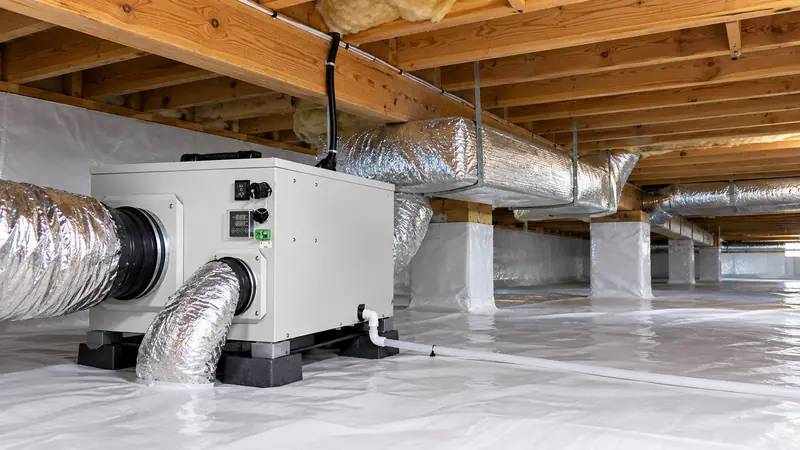
A crawl space may need a dehumidifier when moisture continues to accumulate after leaks, ground moisture and uncontrolled outdoor-air entry have been addressed. If the existing drying strategy cannot maintain acceptable humidity during normal seasonal conditions, dedicated dehumidification becomes a reasonable option. Repeated relative humidity (RH) readings around or above 60% warrant investigation, but they […]
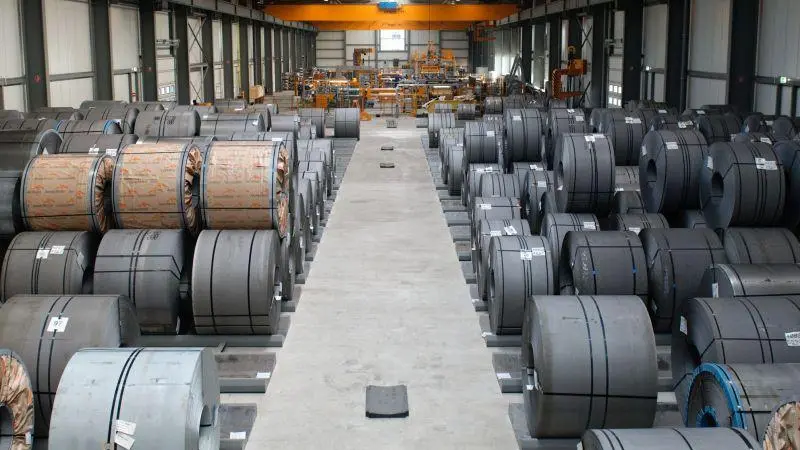
Rust on steel coils, water stains between aluminum sheets, and moisture trapped inside galvanized bundles are common concerns in metal storage facilities. Although these problems may appear similar, they can develop for different reasons, and lowering warehouse humidity is not always the complete solution. Industrial dehumidification can help protect stored metal by controlling airborne moisture […]
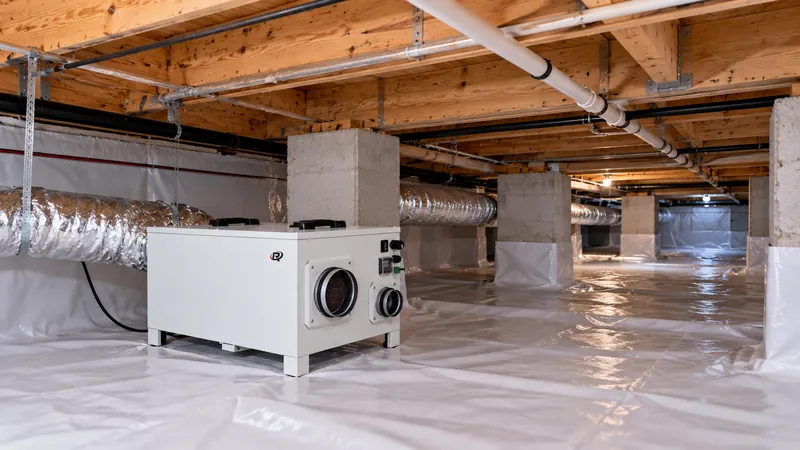
A crawl space dehumidifier can be correctly sized and still perform poorly after installation. Common problems include short-circuiting airflow, humid pockets behind foundation walls, blocked drains, inaccessible filters, poorly located sensors and equipment operating outside its intended temperature range. For contractors, a successful installation depends on more than placing the unit in the crawl space […]
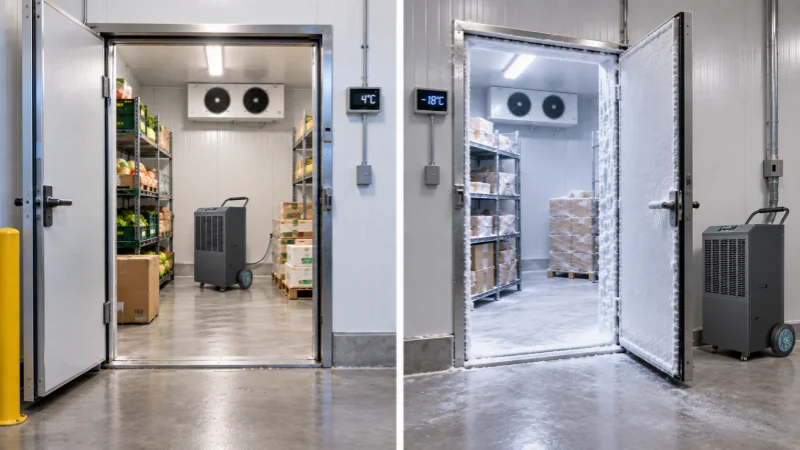
Moisture problems look different in a walk-in cooler and a walk-in freezer. In a cooler, they usually appear as condensation, wet floors, dripping surfaces and damaged packaging. In a freezer, the same incoming moisture becomes frost and ice on evaporators, door frames, floors and products. For many coolers, the equipment can operate inside the room; […]
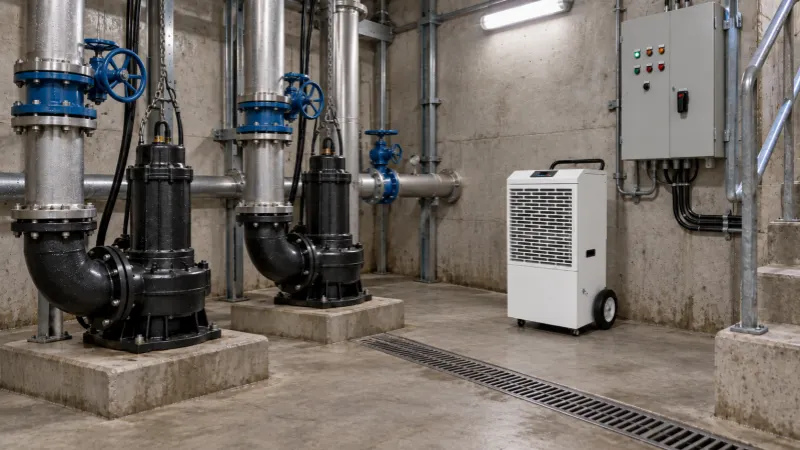
Water and wastewater treatment plants are not single humidity environments. A wet well, dry well, chlorine feed room, blower building and MCC room may all experience moisture-related problems, but the causes and risks can be completely different. Some areas are dominated by outdoor ventilation and below-grade moisture, others by corrosive chemical exposure, while wastewater process […]
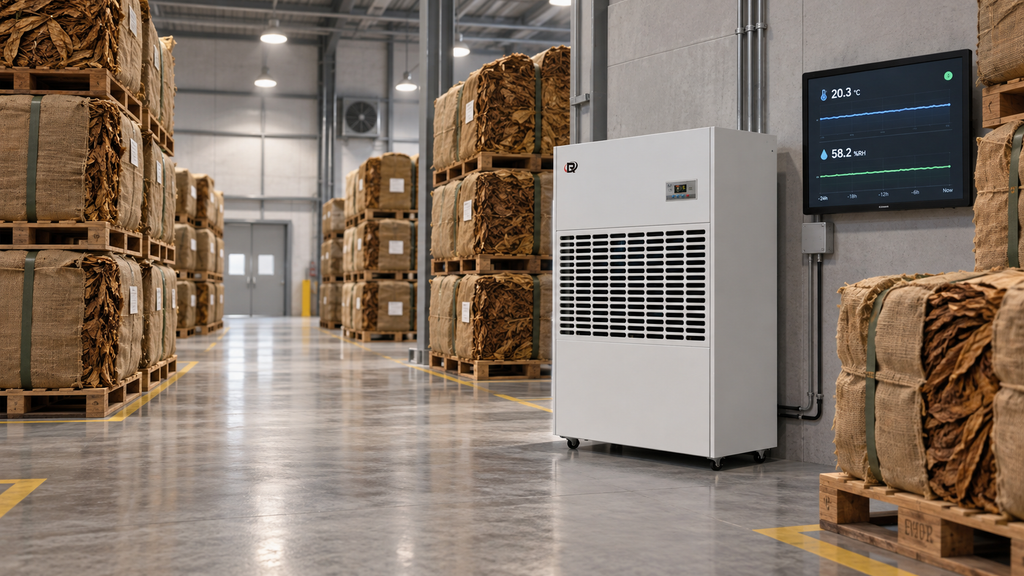
Tobacco does not remain at one moisture level from harvest to manufacturing. It is dried, reconditioned, processed, dried again, and then stored under controlled conditions. Some stages intentionally add moisture because tobacco that becomes too dry is brittle and difficult to handle, while other stages deliberately remove moisture to reach a required finished specification. That […]