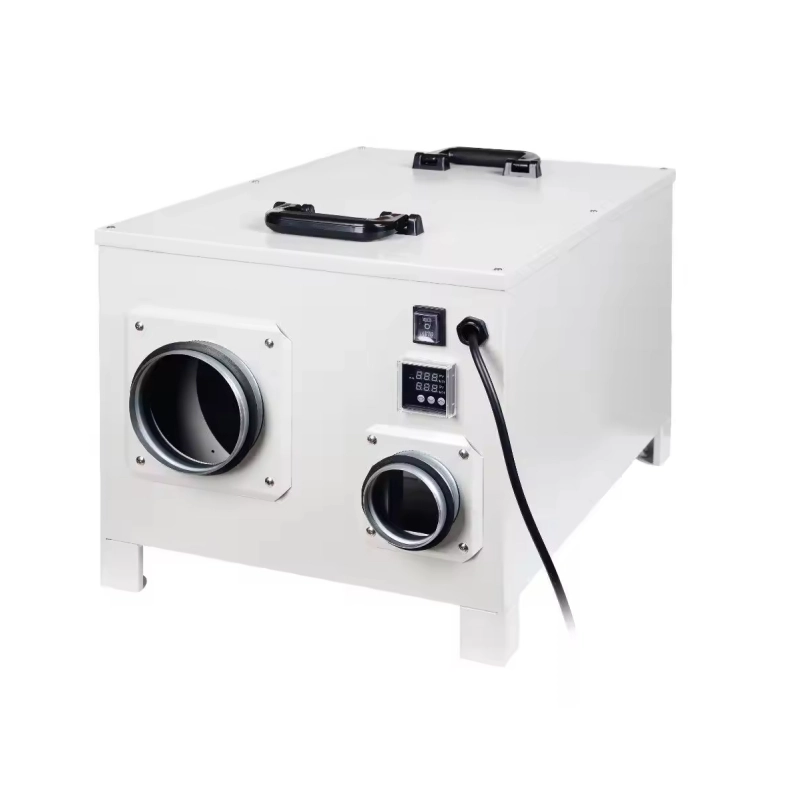
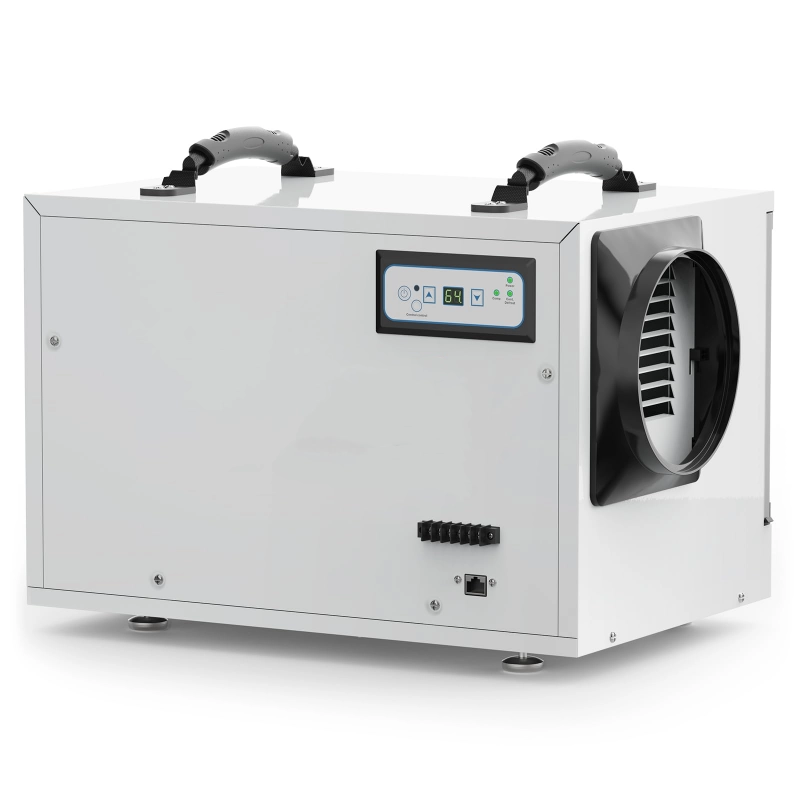
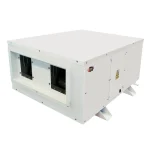
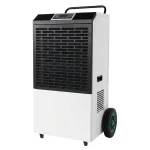
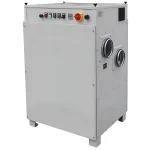
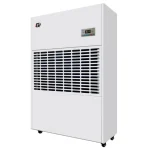
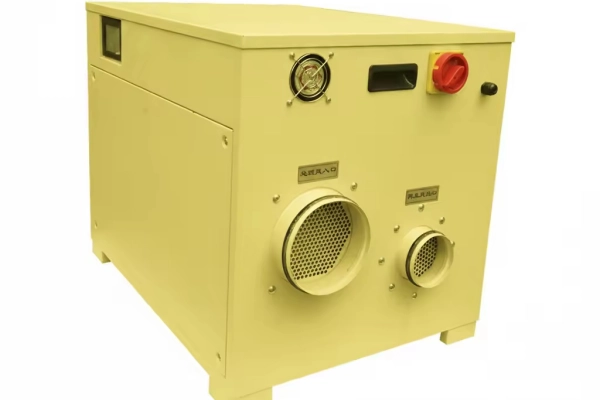
A commercial desiccant dehumidifier is designed for commercial spaces where excess humidity can cause condensation, damp odor, material damage, or unstable indoor conditions. Its key advantage is stable moisture removal in low-temperature, enclosed, and moisture-sensitive environments where humidity is harder to control. It is widely used in basements, indoor pool areas, archives, storage rooms, laboratories, and service areas that require reliable humidity control over long operating hours.
Suitable for Low-Temperature Commercial Spaces Maintains humidity control in cool commercial environments where moisture remains difficult to manage.
Stable Continuous Drying Suitable for projects that require long-hour or daily humidity control.
Helps Reduce Condensation and Damp Odor Useful in enclosed commercial spaces where moisture buildup affects surfaces and indoor conditions.
Supports Moisture-Sensitive Commercial Applications Suitable for archives, storage rooms, laboratories, and other spaces where humidity stability matters.
Commercial-Use Structure Designed for practical use in project-based commercial environments.
Multiple Models for Different Room Conditions Model selection can be matched to room size, temperature, and humidity target.
Applications Across Commercial Environments
Commercial Basements In commercial basements, cool temperatures, limited airflow, and enclosed construction often allow moisture to stay in the air for long periods. A commercial desiccant dehumidifier removes moisture directly from the air, which helps reduce damp odor, surface condensation, and long-term moisture buildup in lower-level spaces.
Indoor Swimming Pools and Poolside Areas Indoor pool areas face continuous humidity from water evaporation. This dehumidifier helps remove excess moisture from the surrounding air, which reduces condensation on windows, walls, ceilings, and nearby equipment while improving overall humidity control in poolside environments.
Archives, Libraries, and Record Rooms Paper materials, books, and stored records are sensitive to changing humidity. By maintaining drier and more stable air conditions, this unit helps reduce moisture exposure that can lead to material deterioration, mold risk, and storage environment instability.
Commercial Warehouses and Storage Rooms In warehouses and storage rooms, excess humidity can affect cartons, labels, packaging, and stored goods. This dehumidifier lowers the moisture content in the air, helping keep storage conditions drier and reducing the risk of damp-related damage during daily commercial use.
Laboratories and Controlled Rooms Some commercial rooms need more consistent humidity because moisture can affect room conditions, stored materials, or process stability. This unit helps maintain a more controlled indoor environment by continuously removing moisture from the air during operation.
Utility Rooms and Mechanical Areas Utility rooms and mechanical areas often have limited ventilation and ongoing moisture exposure around pipes, equipment, or enclosed structures. This dehumidifier helps keep the air drier, which reduces condensation, damp odor, and long-term moisture pressure that can increase corrosion and maintenance issues.
About Commercial Desiccant Dehumidifier Detail
This video requires cookies to play
This content is hosted by YouTube. By clicking "Accept Cookies", you consent to YouTube's cookie policy and the video will load.
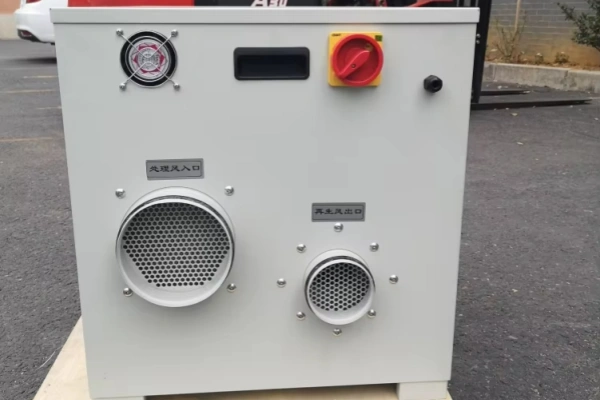
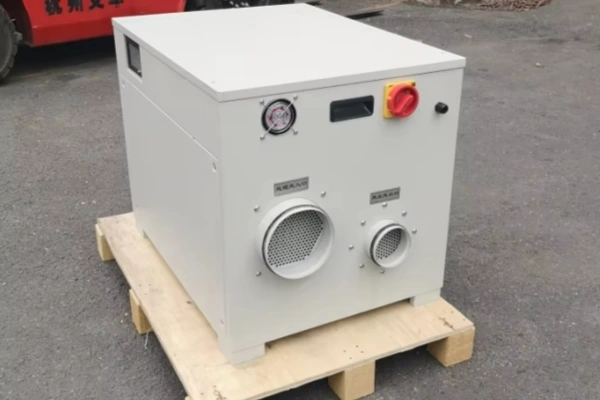
This commercial desiccant dehumidifier series is designed for stable humidity control in cool, enclosed, and moisture-sensitive commercial spaces. It is suitable for applications such as basements, indoor pool areas, archives, storage rooms, laboratories, and service areas where excess moisture can lead to condensation, damp odor, material damage, or unstable indoor conditions. With multiple models available, this series can match different room sizes and project requirements while supporting reliable operation over extended running hours.
Technical Specifications of Commercial Desiccant Dehumidifier Detail
Related Questions About Commercial Desiccant Dehumidifier Detail
It draws air through a desiccant rotor that absorbs moisture. A regeneration section then heats the rotor and expels the moisture as a warm wet airstream.
Yes. Ducted desiccant systems can be installed in plant rooms, on rooftops, or on skid-mounted bases with weatherproof enclosures, depending on site layout and exhaust routing.
Power supply depends on unit size. Light commercial models often use single-phase power, while larger industrial desiccant systems commonly use three-phase power.
Desiccant units remove moisture by adsorption. Compressor units condense moisture on cold coils, which works well in warm conditions but is less efficient at lower temperatures or very low RH.