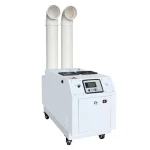
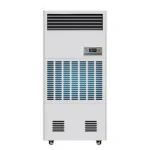
Food processing plants do not usually deal with humidity the same way as general commercial spaces. In this environment, excess moisture often shows up as condensation on ceilings and piping, slow dry-down after washdown, unstable packaging conditions, and recurring problems in chilled or low-temperature areas. In meat and poultry plants, FSIS sanitation guidance on condensation control makes clear that condensation must be controlled when it creates insanitary conditions or drips onto exposed product or packaging.
Buyers searching for an industrial dehumidifier for food processing plants are usually trying to solve a plant problem, not look for a general definition. The main question is whether room conditions, sanitation routines, and temperature differences require dedicated moisture control. For a broader cross-industry reference, this industrial dehumidifiers by application guide gives useful context.
Why Humidity Control Matters in Food Processing Plants
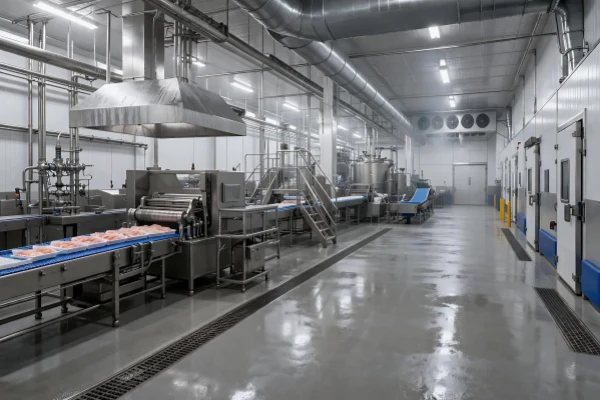
Humidity control matters in food processing plants because excess moisture can affect several steps across daily operations. In this environment, humidity problems do not stay in the air. They often show up in slower recovery after washdown, condensation in chilled areas, less stable packaging conditions, and more difficult movement through cold-room transitions. That is why humidity control is usually treated as part of process stability, not just basic room comfort.
| Plant step | What humidity problems often look like | Why it matters |
|---|---|---|
| Washdown and cleaning | The room stays damp for longer after sanitation | Slower recovery can delay restart and affect shift change efficiency |
| Chilled processing | Condensation forms on cold surfaces, piping, or overhead structures | This adds sanitation pressure and makes the area harder to keep stable |
| Packaging | Cartons, labels, or outer packaging are exposed to damp air | Packaging conditions become less consistent through the day |
| Cold-room transitions | Fog, wet floors, or condensation appear in transition spaces | Movement becomes harder and safety risk can increase |
| Finished goods holding | Moisture affects storage conditions around packed products | Product handling and storage stability become less predictable |
| Daily production flow | Room conditions change too much during operation | The line environment becomes harder to keep consistent |
Are There Fixed Humidity Requirements for Food Plants?
Most food processing regulations do not set one universal humidity target for all plants. The main requirement is usually to control condensation, ventilation, and room moisture well enough to prevent insanitary conditions, contamination risk, and unstable room performance. That is why food plant humidity projects are usually judged by actual room performance, such as condensation control, washdown recovery, packaging stability, and low-temperature room behavior, rather than by one fixed RH rule.
Food plants usually face more demanding moisture conditions because they often combine washdown, warm processing, chilled rooms, steam, and door traffic in the same facility. As explained in the ASHRAE Handbook chapter on dehumidification equipment and components, basic cooling may remove some moisture, but it does not directly control space humidity without added equipment.
Common Moisture Problems in Food Processing Facilities
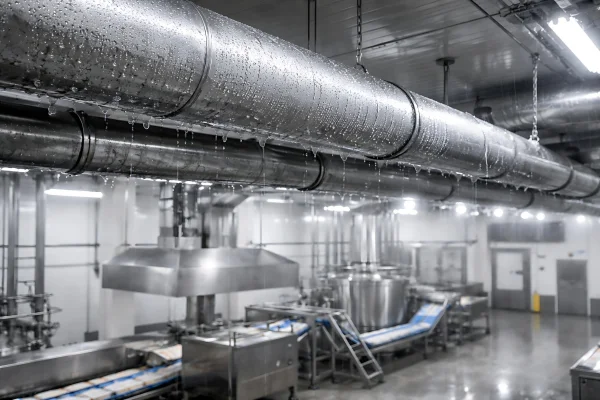
Condensation on Cold Surfaces and Overhead Structures
Condensation often appears when moist air meets colder surfaces. In food plants, this usually happens around chilled rooms, cold-room entrances, piping, and overhead metal structures. Repeated condensation increases sanitation pressure and makes room conditions harder to keep stable.
Slow Dry-Down After Washdown
After washdown, visible water may be removed before the room is actually ready. If the air still holds too much moisture, surfaces stay damp longer and recovery takes more time. This can delay restart and reduce operating efficiency.
Moisture Problems in Packaging and Cold-Room Transitions
Humidity problems also appear in packaging spaces and cold-room transitions. In packaging areas, damp air can affect cartons, labels, and outer packaging. In transition zones, common signs include fog, wet floors, and recurring surface moisture. These areas often show instability earlier because they sit between different temperature conditions.
How Industrial Dehumidifiers Support Food Plant Operations
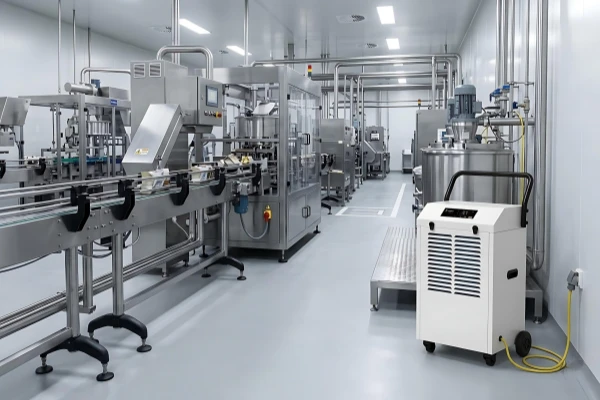
Industrial Dehumidifiers Help Control Moisture Where It Affects Daily Operations
In food processing plants, industrial dehumidifiers are used to control excess moisture in areas where room conditions affect daily operations. That may mean reducing condensation on cold surfaces, shortening room recovery after washdown, or keeping packaging and chilled areas more stable through the day.
Industrial Dehumidifiers Solve Problems That Temperature Control Alone Cannot
HVAC often handles temperature well, but temperature control and humidity control are not the same thing. In food plants with washdown, cold transitions, or heavier moisture load, temperature control alone may not be enough to keep room conditions stable. If you need the broader technical distinction first, see the difference between a dehumidifier and an industrial dehumidifier.
Refrigerant vs Desiccant Dehumidifiers for Food Processing Plants
When Refrigerant Dehumidifiers Are the Better Fit
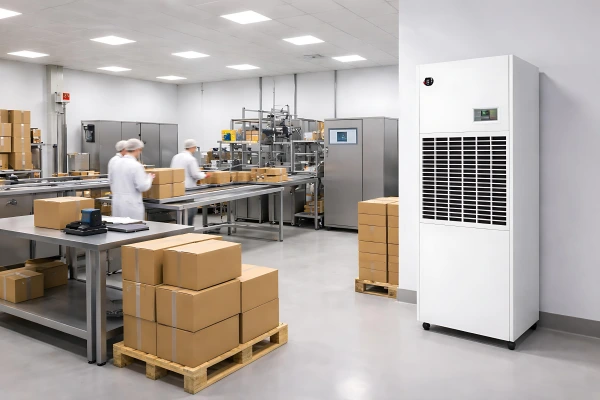
Refrigerant dehumidifiers are often more suitable for warmer processing or packaging areas where the main goal is general humidity control. They are usually considered in spaces without very low-temperature or very low-dew-point requirements, especially when daily running cost is an important factor.
When Desiccant Dehumidifiers Deserve Closer Consideration
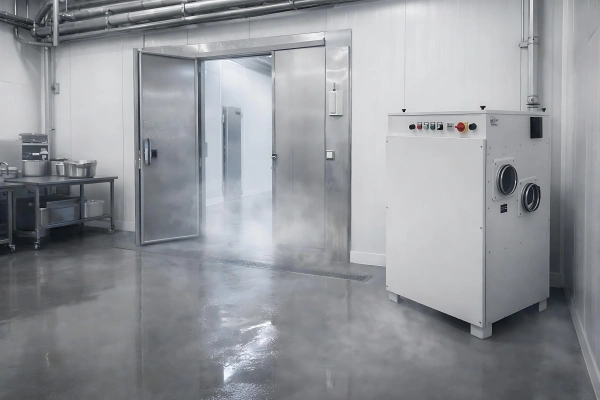
Desiccant dehumidifiers are more often considered in lower-temperature areas, cold-room entrances, chilled processing spaces, and other zones with stronger condensation risk. They are also worth closer review when a plant needs tighter moisture control or faster room recovery after washdown.
Why Cold Rooms Need Case-by-Case Evaluation
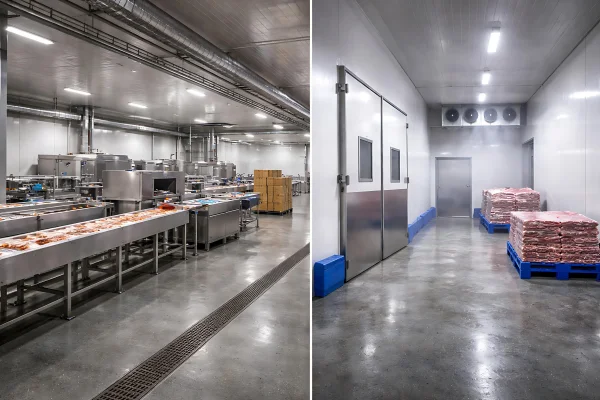
Cold-room humidity control usually cannot be judged with a simple yes-or-no answer. Performance depends on room temperature, target humidity or dew point, door-opening frequency, air exchange, and daily operating conditions. As shown in Munters’ cold storage humidity control guidance, uncontrolled humidity in these environments is often linked to condensation, fog, ice buildup, slippery floors, and higher operating cost.
If your project already points in that direction, the next practical step is to review your desiccant dehumidifier manufacturer page, or a low temperature dehumidifier depending on the setup you are evaluating.
How to Assess a Food Plant Dehumidification Project
Focus on Where Moisture Problems Actually Happen
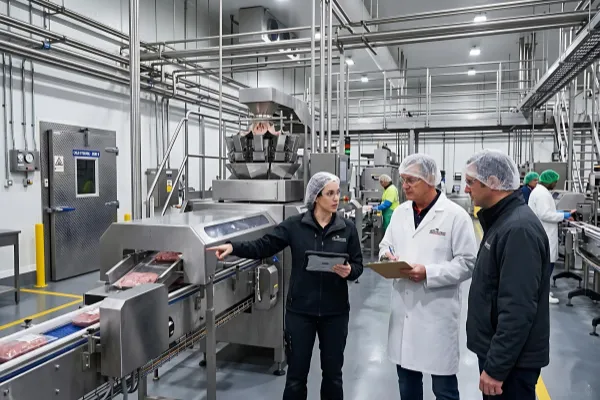
In food processing plants, dehumidification should be judged by where moisture problems appear during daily operation. In many projects, the key areas are washdown rooms, chilled processing spaces, cold-room entrances, and packaging areas.
Start with the Problem, Not the Machine Model
For food plants, the better starting point is the actual problem in the room: slow dry-down, repeated condensation, unstable packaging conditions, or moisture trouble in cold transitions. Once that is clear, it becomes easier to judge whether the project needs general humidity control, tighter condensation control, or a lower-temperature solution.
Food Plant Areas That Often Need Dehumidification
Raw Material and Process Transition Areas
These spaces often carry moisture from multiple sources and may shift between operating states through the day. In some plants, they show early signs of instability because room conditions change with process flow, cleaning, or product movement.
Packaging Areas and Finished Goods Holding Spaces
This is where some plants first notice the cost of poor humidity control. Packaging materials, labels, cartons, and downstream storage conditions can all become less predictable when room conditions drift.
Cold-Room Entrances and Chilled Processing Areas
These are often the most sensitive areas in the plant. Temperature differences are sharper, infiltration is more damaging, and condensation risk is higher. In many facilities, these are the first spaces that justify dedicated dehumidification review.
Conclusion
Industrial dehumidification in food processing is usually not a generic equipment decision. It is a room-condition and process-stability decision. The most common reasons plants review this topic are practical ones: condensation on cold or overhead surfaces, slow recovery after washdown, unstable packaging conditions, and repeated humidity trouble in chilled or low-temperature areas.
The right starting point is the actual plant condition rather than model size alone. If you are moving from application review into equipment evaluation, your industrial dehumidifier manufacturer page is the natural next step.
FAQ
How does humidity affect food?
High humidity can change texture, speed spoilage, and increase mold risk. In food production, it can also affect drying consistency, shelf life, and overall product quality.
Can humidity affect food packaging?
Yes. Damp air can affect cartons, labels, and sealed packaging areas. Excess moisture may also reduce packaging consistency and create conditions that increase spoilage risk.
How do I store food in high humidity?
Food storage in high humidity depends on controlling room moisture, not just lowering temperature. In many cases, stable humidity control helps reduce spoilage, condensation, and ice buildup in storage areas.
Why is humidity control important for cold storage?
Humidity control in cold storage helps prevent condensation, mold, and ice buildup. It also supports product quality, safer movement, and more stable operating conditions in refrigerated areas.
What role do monitoring and control systems play in cold rooms?
Monitoring and control systems track temperature and humidity continuously, helping operators respond quickly when room conditions drift. That makes cold-room performance more stable and easier to manage.