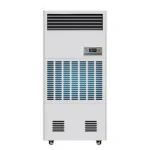
Pharmaceutical storage is not just about keeping products in a clean, temperature-controlled space. It is about protecting product stability, packaging integrity, traceability, and audit readiness across different storage zones. WHO recommended storage conditions define common storage descriptions such as controlled room temperature at 15–25°C, cool storage at 8–15°C, refrigeration at 5 ± 3°C, and both “store in a dry place” and “protect from moisture” at no more than 60% relative humidity. FDA cGMP warehousing requirements also require storage under appropriate conditions of temperature, humidity, and light so that drug quality is not affected.
Humidity control in pharmaceutical storage therefore needs to be judged by storage conditions and day-to-day control requirements, not by general warehouse logic alone. In practice, the right solution is the one that can support the required environment reliably in the actual storage zone.
Why Humidity Control Matters in Pharmaceutical Storage
Excess moisture can affect products, packaging, and storage quality
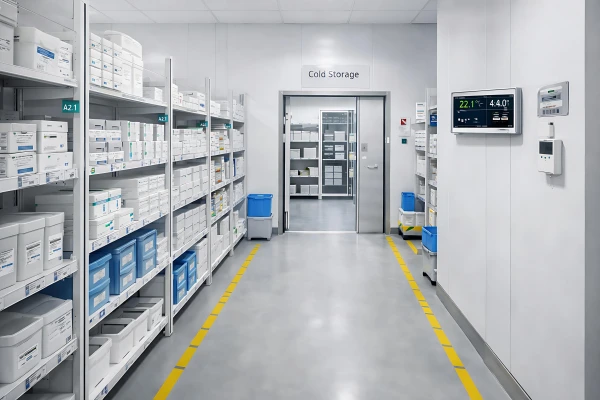
In pharmaceutical storage, excess humidity can do more than make the room feel damp. It can contribute to clumping, softening, sticking, packaging damage, and reduced stability in moisture-sensitive materials. FDA has also warned that moisture exposure can affect certain products with strict storage requirements. In this environment, humidity control directly affects product condition, packaging performance, and storage quality.
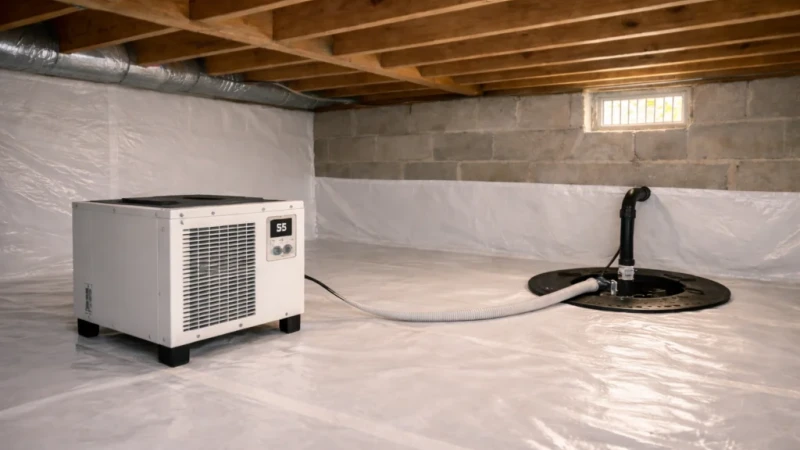
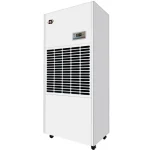
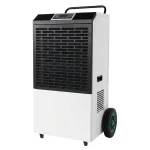
This is why pharmaceutical buyers often need to think beyond basic consumer-style dehumidification logic and understand the difference between a dehumidifier and an industrial dehumidifier before evaluating storage applications with tighter environmental expectations.
The goal is stable control, not the lowest RH on paper
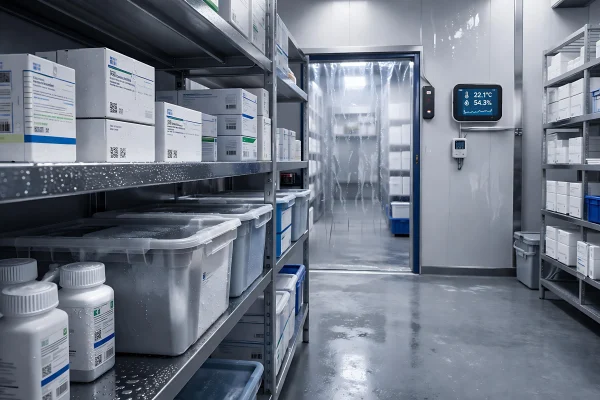
A good pharmaceutical humidity-control strategy is not about pushing RH as low as possible. It is about maintaining the right condition for the product and the storage zone, then keeping that condition stable. WHO storage guidance does not present one universal RH target for every pharmaceutical product. Instead, it links storage language to defined temperature bands and moisture-protection requirements.
For buyers, that means the key question is not simply how much moisture a unit can remove. It is whether the system can hold the required condition consistently under real operating conditions, including door openings, changing weather, and day-to-day warehouse activity.
Different Pharmaceutical Storage Zones Create Different Humidity Problems
Ambient pharmaceutical warehouses
Ambient pharmaceutical warehouses often have the largest footprint and the broadest exposure to daily operating changes. Door openings, receiving and dispatch activity, infiltration of humid outdoor air, and large internal air volumes all make humidity harder to stabilize. Large room-temperature storage zones often face airflow, infiltration, and RH instability during daily operation, similar to what is seen in broader warehouse humidity control, but the consequences are usually more sensitive in pharmaceutical storage.
For many room-temperature pharmaceutical warehouses, the main challenge is not extreme low-temperature condensation. It is day-to-day instability caused by logistics activity, outdoor weather, and uneven moisture load across a large space.
Cool storage areas
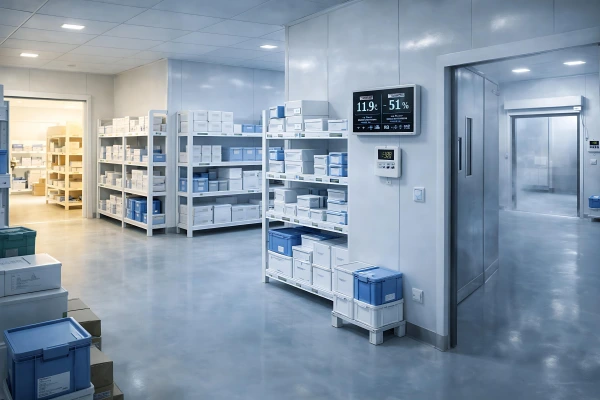
Cool storage sits in a more sensitive middle ground. As temperature drops, relative humidity can rise more easily, and surfaces can move closer to the dew point. A space may look less demanding than a cold room but still require more careful humidity-control planning than a standard ambient warehouse. WHO storage definitions separate these temperature bands for a reason. A cool storage area can have a different moisture profile from both an ambient zone and a refrigerated room.
Cold rooms and cold-chain storage
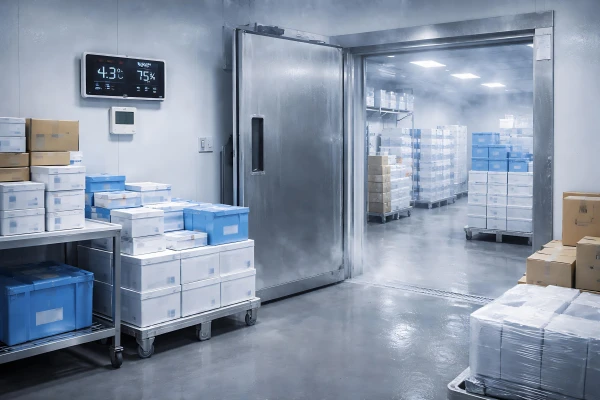
Cold rooms create a different moisture problem altogether. When warm, humid air enters a chilled area through door openings or transfer activity, it can condense quickly on cold surfaces. That can affect doors, evaporators, walls, nearby packaging, and staging areas. WHO defines refrigerated storage around 5 ± 3°C, and maintaining that environment without excess moisture is critical for many pharmaceutical products.
Refrigerated rooms and transfer zones create a different humidity problem from standard ambient storage, especially where warm air ingress and condensation become part of daily operation. In pharmaceutical storage, that matters because condensation can affect packaging quality, handling safety, and the stability of the storage environment itself.
API and raw material storage
Some pharmaceutical materials are more moisture-sensitive than general finished-goods inventory. Hygroscopic powders, actives, and certain raw materials may require tighter control or greater stability than a finished-goods zone. In those cases, the question is not simply whether the room feels dry enough. It is whether the system can hold the required condition consistently over time.
Packaging and secondary materials
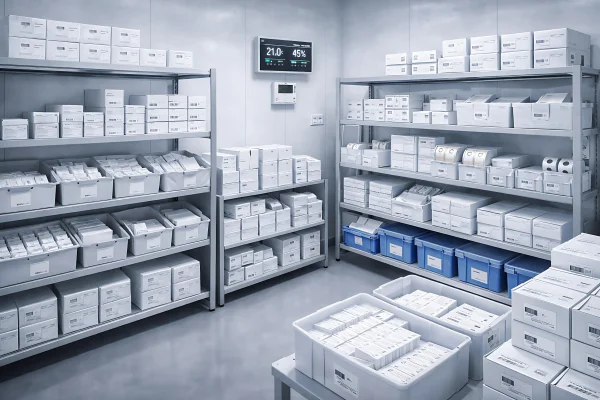
Humidity control is not only about the drug product itself. Cartons, labels, inserts, and other packaging components can also be affected by unstable RH. Where packaging condition affects traceability, presentation, or shelf-readiness, moisture control becomes part of storage quality rather than a secondary concern.
What Buyers Should Check Beyond Capacity
Capacity alone does not define fit
In pharmaceutical storage, buyers should not judge a dehumidification solution only by whether its rated capacity looks sufficient. The more important question is whether it can maintain the required storage condition reliably in daily operation.
Even if a solution appears large enough on paper, that does not automatically mean it is the right fit for the storage zone. Buyers still need to consider whether it can hold the required condition under real operating conditions such as door openings, changing weather, temperature differences, and day-to-day warehouse activity. EMA guidance on storage conditions and GDP expectations supports this approach by reinforcing that storage conditions need to be maintained within a controlled distribution environment.
Why monitoring and alarms matter
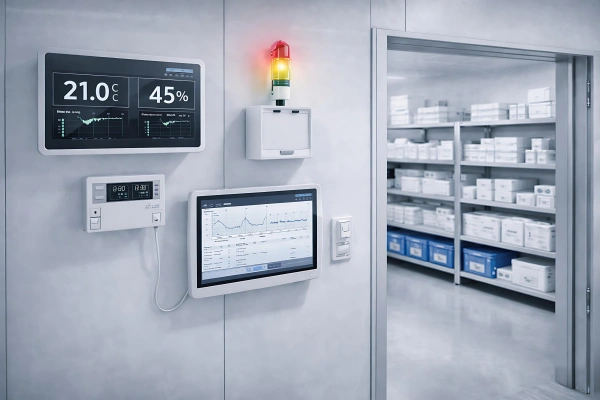
In many pharmaceutical storage projects, buyers should also look at whether the solution supports monitoring, alarm visibility, and record keeping. These capabilities may come from the dehumidifier itself or from the site’s wider control system. What matters is whether the storage condition can be monitored clearly and whether deviations can be identified in time.
This is especially relevant where the project includes chilled transition areas, sensitive materials, or higher environmental expectations. In facilities that need tighter control across both temperature and humidity, some buyers also evaluate temperature-resistant dehumidifiers as part of a broader storage-control setup. A useful reference here is the WHO temperature mapping tool for cold chain equipment and dry stores, which highlights why mapped conditions and ongoing monitoring matter in real storage environments.
Refrigerant vs. Desiccant: Which Direction Fits Which Pharma Zone?
When refrigerant systems are a practical fit
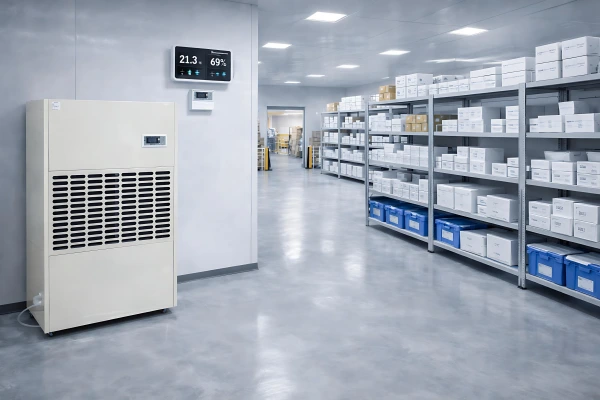
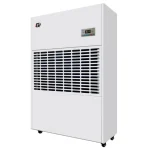
Refrigerant systems are often a practical choice in larger room-temperature pharmaceutical storage areas where the main goal is stable humidity control rather than deep drying. They usually fit better in ambient storage zones where low-temperature condensation is not the main concern.
For buyers, their main value is often in handling everyday moisture load from infiltration, logistics activity, and seasonal humidity swings across a larger space. In these conditions, the priority is usually to keep RH more stable during daily warehouse operation rather than to reach very low moisture levels.
When desiccant systems make more sense
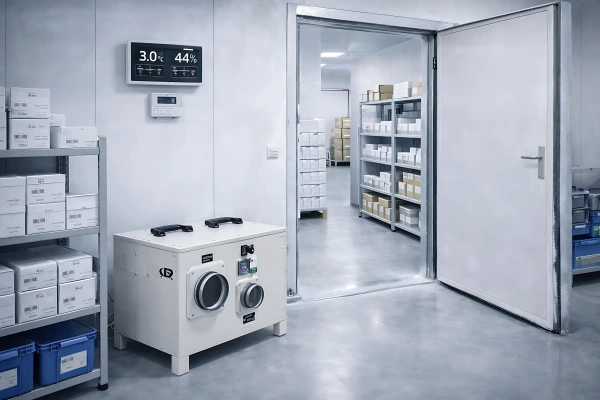
Desiccant systems are usually a better fit in colder pharmaceutical zones where condensation risk and low-temperature moisture control are more important. They are often considered in refrigerated rooms, cold transfer areas, or other storage environments where standard ambient approaches are less effective.
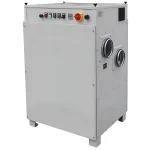
This does not mean desiccant is always the better option. It means colder pharmaceutical storage conditions often create a stronger case for it, especially where condensation control and low-temperature moisture stability matter more. Buyers dealing with refrigerated rooms may also need a closer look at broader cold storage humidity control. Where low-temperature drying becomes a more central requirement, it is also natural to compare options under a broader desiccant dehumidifier manufacturer category.
Common Mistakes in Pharmaceutical Storage Humidity Control
Aiming for the lowest RH instead of the right RH
The goal is not the driest possible environment, but the most suitable and stable one for the product and zone.
Treating pharmaceutical storage like a standard warehouse
This can lead to underestimating control requirements, especially in sensitive or regulated storage zones.
Choosing equipment by room size alone
Room area does not reflect the full moisture load in pharmaceutical storage.
Ignoring low-temperature condensation risks
Cold rooms and transfer areas often create a different moisture problem from ambient storage.
Focusing on equipment output but not condition visibility
Stable control also depends on monitoring, alarms, and day-to-day condition awareness.
For pharmaceutical storage, the next step is usually to define the humidity-control requirement of each storage area before comparing equipment options. That gives buyers a clearer basis for judging whether a solution fits the actual environment it is meant to protect.
FAQ
What is pharmaceutical storage?
Pharmaceutical storage means keeping medicines and drug products in a controlled environment so their potency, purity, and safety are maintained during holding and distribution.
Why is climate control important for pharmaceutical storage?
Medicines are sensitive to temperature and humidity changes. If conditions drift, product efficacy, purity, and packaging performance can all be affected during storage.
What types of equipment is often used for scientific or pharmaceutical climate control?
Common options include refrigerant and desiccant dehumidifiers, HVAC or air-handling systems, ventilation equipment, and air-cleaning units. The right mix depends on the storage condition and control target.
Can air-conditioners replace a dehumidifier?
Not usually. Air-conditioners remove moisture as a by-product of cooling, but they are not designed for sustained humidity control in sensitive industrial or pharmaceutical environments.
Why do pharmaceutical facilities require precise humidity control?
Pharmaceutical products can be moisture-sensitive during storage and handling. High humidity can reduce efficacy, increase contamination risk, and create compliance problems, so tighter control is often necessary.