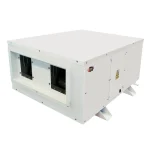
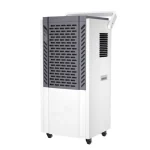
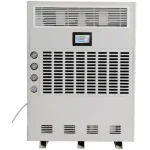
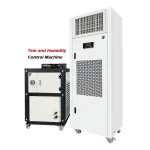
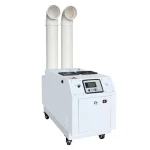
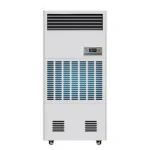
Humidity is silently wrecking your indoor pool space. Peeling paint, rusting fixtures, and that slick of condensation – it’s more than an eyesore; it’s a warning sign. The solution? Select a corrosion-resistant dehumidifier designed for chlorinated environments, with sufficient capacity to maintain around 50–60% relative humidity in your pool room. This ensures a safe, comfortable space and protects your building from humidity damage. Now, let’s explore why indoor pools have unique humidity challenges and how to choose the right dehumidification solution step by step.
The Problems Caused by Humidity in Indoor Pools
- Water vapor condensation on surfaces
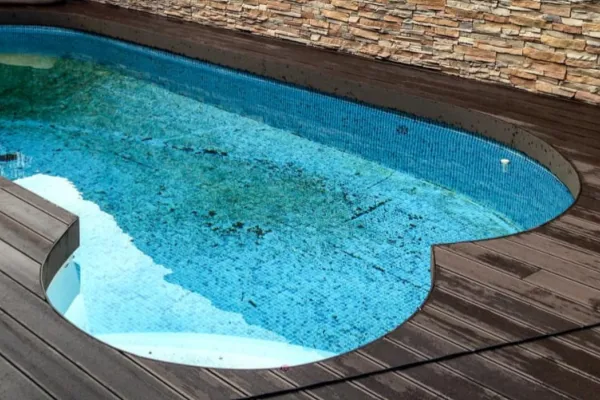
Warm, moisture-laden air in an indoor pool room contacts cooler surfaces such as windows, walls, ceilings, pipes, and ductwork. Water vapor condenses into liquid droplets and remains on these surfaces. Continuous surface wetting results in stains, surface deterioration, and increased cleaning and repair needs. - Mold and microbial growth
When humidity levels remain high (typically above 60%), porous materials such as grout, drywall, wood, and insulation absorb moisture and stay damp. These damp materials support mold and microbial growth on surfaces and within building assemblies. This leads to odors and surface contamination, and is associated with respiratory and allergy-related symptoms in sensitive occupants. - Corrosion of metal components
Indoor pool air contains moisture and chlorinated byproducts that increase the corrosiveness of the environment. Condensation and high humidity accelerate oxidation on steel frames, fasteners, electrical enclosures, and mechanical equipment housings. Corrosion reduces component integrity, shortens service life, and increases repair and replacement costs. - Damage to building materials
Moisture from humid air and condensation penetrates paint layers, insulation, and wood-based materials. Moisture accumulation reduces coating adhesion, causes wood deformation, and can lead to decay in organic materials. Over time, these reduce the durability and service life of interior finishes and building assemblies, and reduce insulation performance when insulation becomes damp. - Indoor air quality issues
High humidity increases the persistence of odors and airborne contaminants in indoor spaces. In pool environments, chloramine-related compounds can remain in the air and contribute to irritation when ventilation and moisture control are insufficient. This often means more ventilation is needed, and staff may need to run air-cleaning equipment more often. Complaints about smell and air irritation also increase. - Safety risks
Condensation and moisture accumulation create wet walking surfaces and damp conditions around electrical systems. Wet floors increase slip-and-fall risk. Moisture around lighting, outlets, control panels, and motors accelerates corrosion and insulation degradation, increasing the probability of electrical faults, unplanned shutdowns, and related repair costs.
The Role of Dehumidifiers in Indoor Pool Environments
- Lower humidity to prevent common hazards
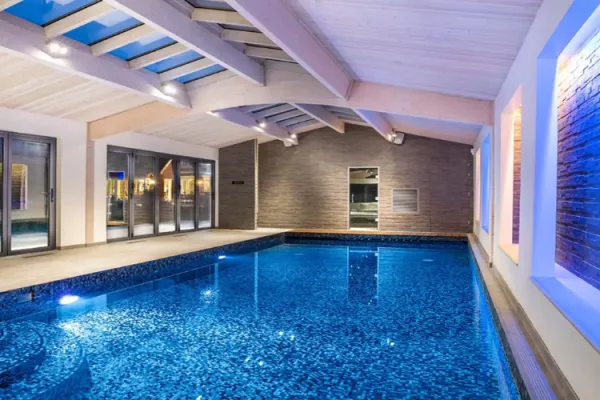
Indoor pools add moisture to the air through continuous evaporation. A dehumidifier removes this moisture before it accumulates and reaches surfaces. This reduces water vapor condensation, lowers the chance of damp materials, and limits the chain of damage linked to high humidity. - Protect the building and equipment
High humidity and condensation affect many parts of a pool facility. Industrial dehumidifiers reduce the time that surfaces and building assemblies stay wet. This helps protect:
Structural elements (frames, fasteners, roof, and wall assemblies)
Interior finishes (paint, ceilings, wall panels)
Poolside furniture and stored items
Mechanical and electrical enclosures that can be affected by moisture exposure - Improve user experience and safety
Humidity affects how the pool room feels and how safe it is to operate. Lower humidity reduces fogged windows and dripping surfaces. It also reduces wet floors caused by condensation and helps keep walking areas drier. Stable humidity supports a more consistent comfort level for swimmers and staff, and it reduces slip risk linked to moisture accumulation. - Minimize mold and fungal growth
By keeping humidity under control and reducing surface wetting, dehumidifiers reduce the conditions that support mold and fungus on porous materials. This lowers cleaning workload and reduces the chance of contamination on grout lines, ceilings, corners, and other low-airflow areas. - Help meet building codes and facility requirements
Many indoor pools have ventilation and humidity targets set by local codes, standards, or design requirements. Industrial dehumidification supports these targets by maintaining humidity within a planned range and reducing condensation risk.
Indoor Pool Dehumidifier Selection: Key Factors
- Target humidity and temperature: Indoor pool spaces are typically designed to maintain relative humidity around 50–60%. Air temperature is usually kept slightly above water temperature to reduce evaporation. The dehumidifier must be rated to operate effectively at these design conditions.
- Airflow and room volume: Adequate air circulation is required to distribute dry air throughout the space. Room volume and ceiling height affect airflow demand. Large or irregular spaces may require ducted systems or multiple units to achieve uniform coverage.
- Corrosion Resistance (Built for Chlorine Environments): Indoor pool environments contain airborne chloramines that accelerate corrosion on metal surfaces. Dehumidification equipment should use corrosion-resistant materials and protective coatings suitable for natatorium environments. Ruiwang dehumidifiers are engineered with industrial-grade protection to withstand these conditions. Key features include epoxy-coated evaporators and condensers, which isolate copper and aluminum components from corrosive elements. Additionally, the units are housed in powder-coated steel cabinets to further ensure structural integrity and extend service life.
- Installation space and noise: The available installation location determines whether cell-mounted, floor-mounted, or ducted equipment is suitable. Physical dimensions, service clearances, and structural support must be confirmed. Noise levels should be evaluated if the unit operates during occupied hours.
Types of Indoor Pool Dehumidifiers
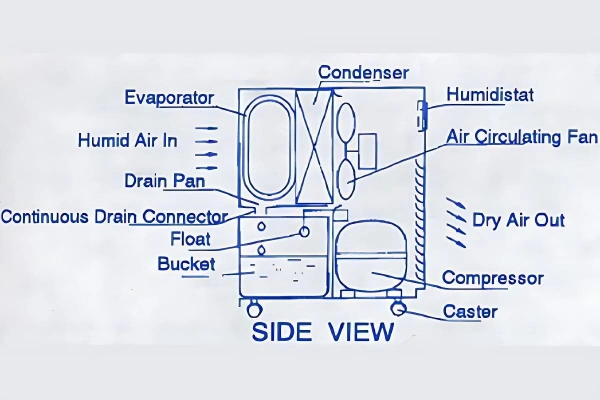
Indoor swimming pools’ dehumidifiers mainly use two dehumidification technologies: refrigerant (condensation) dehumidifiers and desiccant (adsorption) dehumidifiers. They remove moisture using different physical processes, so their operating cost and practical fit can differ in pool rooms.
- Refrigerant dehumidifiers
Refrigerant dehumidifiers cool humid air below its dew point so water vapor becomes liquid water and can be drained away. The dried air is then reheated and returned to the room. - Desiccant dehumidifiers
Desiccant dehumidifiers pass air through a moisture-absorbing material. The material is then regenerated using heat to release the stored moisture. If you want a deeper look at how both types work, you can read [How to Work a Dehumidifier].
Which type is recommended for indoor pools
For most indoor pool rooms, refrigerant dehumidifiers are the preferred option because pool conditions are usually warm and high-humidity, which matches the efficient operating range of condensation-based systems. Under these conditions, refrigerant units typically achieve the required humidity control with lower energy use and simpler system design than desiccant systems, which need regeneration heat and more complex airflow management.
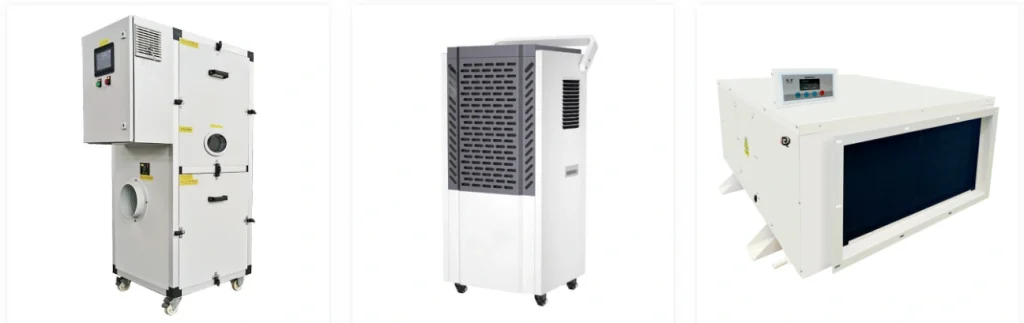
As a specialized manufacturer, Ruiwang provides industrial refrigerant dehumidifiers optimized for indoor pools, offering full OEM/ODM customization of capacity and configurations to match your specific pool size and environmental requirements.[Click image to view pool dehumidifier details]
Product Configuration Advice for Pools of Different Sizes
Pool dehumidifier configuration is usually based on pool surface area, usage level, and room volume. The table below gives a simple starting point for common indoor pool scenarios.
| Pool size category | Typical pool surface area | Recommended dehumidifier configuration | Typical moisture removal range | Installation notes |
|---|---|---|---|---|
| Small private pool | ≤ 250 sq ft (≤ 23 m²) | Single ceiling-mounted or floor-standing refrigerant dehumidifier | ~100–120 PPD (50–60 L/day) | Can be installed in a pool room or a nearby equipment space |
| Medium pool | 300–500 sq ft (28–46 m²) | One high-capacity unit or multiple refrigerant dehumidifiers; ducted configuration recommended | ~180–200+ PPD (85–95+ L/day) | Ducting helps distribute dry air evenly across the space |
| Large or high-use pool | > 500 sq ft (> 46 m²) | Custom-engineered dehumidification system, often integrated with ventilation | Capacity based on evaporation calculation | Can be installed in pool room or a nearby equipment space |
Notes: Capacity values are reference ranges and should be checked against the evaporation load under peak conditions (water temperature, air temperature, activity level, and any connected spa or water features).
Dehumidifier Selection Example for a Medium-Sized Indoor Pool
Case description
A mid-sized indoor swimming pool located in a fitness center. The pool has a water surface area of about 400 sq ft (37 m²) and operates at a water temperature of 82°F (28°C). During peak hours, the pool is used by 10–20 people. The pool room area is approximately 2,000 sq ft with a 12 ft ceiling, and outside air availability is limited. Based on pool surface area, this application falls into the medium pool category in the configuration table.
Selected dehumidification solution
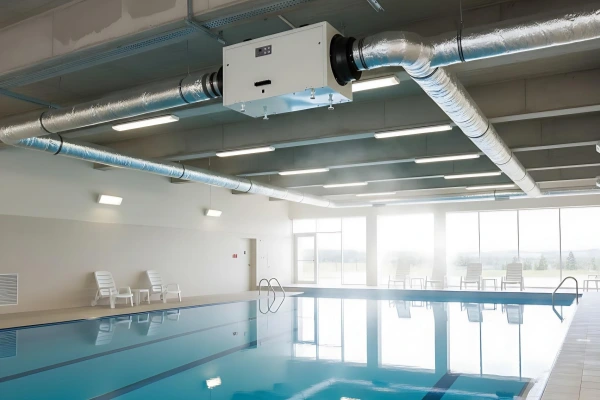
Following the table guidance for medium-sized pools, a ducted industrial refrigerant (condensation) dehumidifier with a moisture removal capacity of around 200 PPD (95 L/day) is selected. This capacity aligns with the estimated evaporation load generated by a 400 sq ft pool under typical operating conditions.
The unit can be installed in a nearby equipment room or ceiling space. Humid air is drawn from the upper zone of the pool room through ductwork, where moisture concentration is higher, and dried air is supplied back evenly into the space. This supports uniform humidity control across the room.
Supporting considerations
Because the pool environment is warm and has a high moisture load, a refrigerant-based system matches the operating conditions well. A limited amount of controlled exhaust or outside air can be added to support air quality without introducing excessive moisture from outdoors. Corrosion-resistant construction and proper condensate drainage are required to ensure stable long-term operation.
Installation Tips
- Placement and airflow
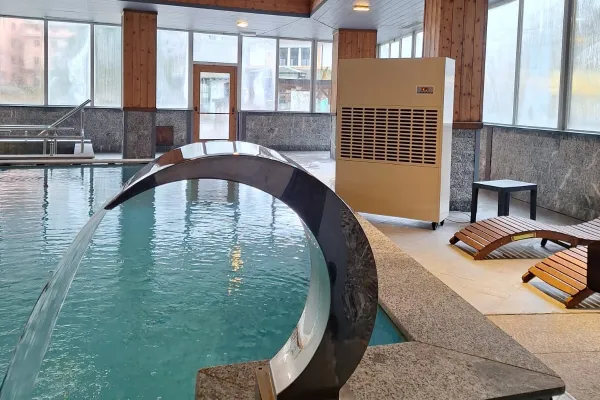
Install the unit or air intakes near zones where humid air accumulates, such as the upper area of the pool room and near the water surface. For ducted systems, route supply air across exterior windows and perimeter walls to reduce water vapor condensation on cold surfaces. - Mounting and clearance
Confirm service clearance for filter access, coil cleaning, and electrical inspection. Use vibration isolation for ceiling-mounted units and corrosion-resistant brackets or hardware suitable for pool environments. - Condensate drainage
Connect the condensate outlet to a gravity drain with proper slope. If gravity drainage is not possible, use a condensate pump. Verify drainage during commissioning and re-check periodically to prevent leaks, overflow, or blocked drain lines. - Power and safety
Match the unit’s electrical requirements (voltage/phase) to the site power supply. Protect wiring and connections from moisture exposure and confirm grounding, breakers, and safety cutoffs meet local requirements. - Controls setup
Set the humidistat target and confirm the unit controls humidity steadily. If the dehumidifier is integrated with other building systems, ensure control logic avoids conflicting operation. Record setpoints and operating modes for future reference.
FAQ
Q: How much humidity should an indoor pool dehumidifier maintain?
A: Indoor pool environments typically target relative humidity levels below about 60 % to reduce condensation and mold growth. Maintaining this range helps protect building materials and improve air quality.
Q: Why can’t I just open doors or windows instead of using a dehumidifier?
A: Simply opening doors or windows may not reduce humidity reliably, especially when outside air is humid or cooler air enters. It also wastes heating energy and won’t control indoor moisture as needed.
Q: How do I know if my indoor pool has excessive moisture?
A: Signs of high indoor pool humidity include visible condensation, peeling paint, rust on metal parts, mold growth, and damp drywall or ceilings. These indicate the need for dedicated dehumidification.
Q: What makes indoor pool dehumidifiers different from residential models?
A: Pool dehumidifiers are engineered for high moisture loads from pool evaporation and usually offer higher capacity, corrosion resistance, and continuous operation compared with standard residential units.
Q: Will a dehumidifier help lower energy costs in my indoor pool?
A: Yes. A properly sized pool dehumidifier reduces moisture load on HVAC systems and can reuse heat from dehumidification, lowering heating and moisture control energy usage compared with ventilation-only approaches.