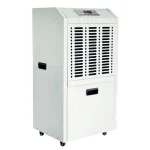
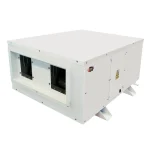
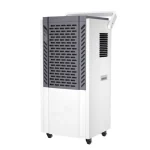
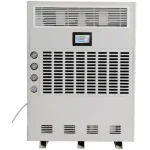
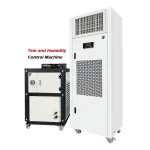
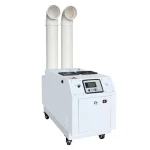
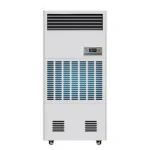
A dehumidifier helps control moisture in the air, ensuring humidity levels stay within a safe range. This protects equipment, preserves product quality, and helps maintain a stable environment.
This guide explains the operation of dehumidifiers, their role in key industries, and the principles behind Return on Investment (ROI). It demonstrates how these dehumidifiers provide long-term solutions to mitigate the issues caused by uncontrolled humidity, helping businesses protect assets and improve operational efficiency.
Understanding the Risks of Uncontrolled Humidity
1. Regional Humidity Levels and Their Influence

Uncontrolled humidity poses a challenge for commercial facilities worldwide, impacting factories, warehouses, and data centers. The specific risks vary by location:
- High-Humidity Zones: Regions such as Southeast Asia and the US Gulf Coast experience consistently high humidity levels, often exceeding 80%, which can lead to mold growth, rust, and material degradation.
- Cold-Climate Zones: In colder climates, such as parts of Europe, condensation on cold surfaces during the winter months can cause rust, ice buildup, and equipment failure.
- Seasonal Variations: Even in temperate regions, like parts of the UK, humidity levels can increase during certain seasons, increasing the risk of condensation and corrosion.
2. The Consequences of Uncontrolled Humidity
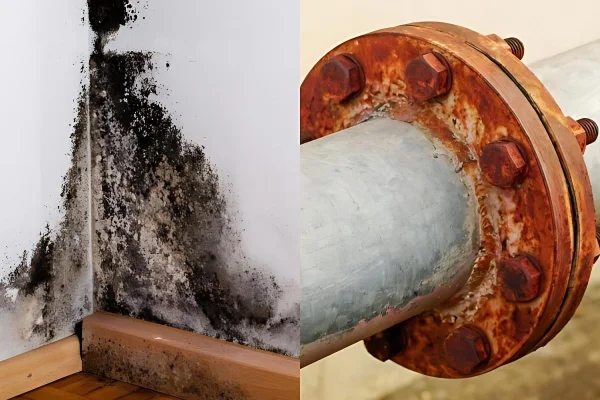
Unchecked humidity levels can lead to damage to both products and infrastructure, disrupting operations and causing financial losses. The consequences include:
- Rapid Metal Corrosion: High humidity accelerates the corrosion of metals like iron and steel, leading to equipment degradation, increased maintenance costs, and unplanned downtime. Industries such as manufacturing, shipping, construction, and automotive are particularly affected, as metal parts and machinery in these sectors are prone to rust and corrosion in humid environments.
- Mold Proliferation: Elevated moisture levels promote mold growth, which damages products and creates health risks, especially in environments like food processing and pharmaceuticals. The Centers for Disease Control and Prevention (CDC) outlines that mold growth in indoor environments can lead to respiratory issues, allergic reactions, and asthma symptoms in workers, particularly in temperature-sensitive industries. Mold exposure can also cause skin irritation and other long-term health problems, particularly when workers are frequently exposed in poorly ventilated areas.
- Material Spoilage: Excess moisture can alter the texture, strength, or stability of materials like food, chemicals, and electronics, leading to spoilage and loss of product integrity.
- Equipment Failure: Moisture infiltrates sensitive equipment, such as manufacturing machinery and data center servers, causing malfunctions, rust, and reduced equipment lifespan.
Uncontrolled humidity compromises product quality, operational efficiency, and asset longevity.
How a Dehumidifier Changes the Air
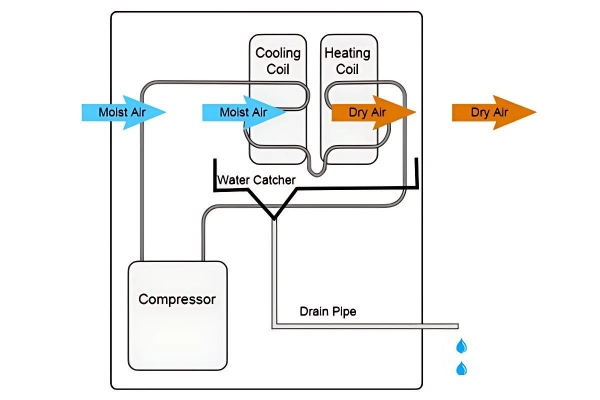
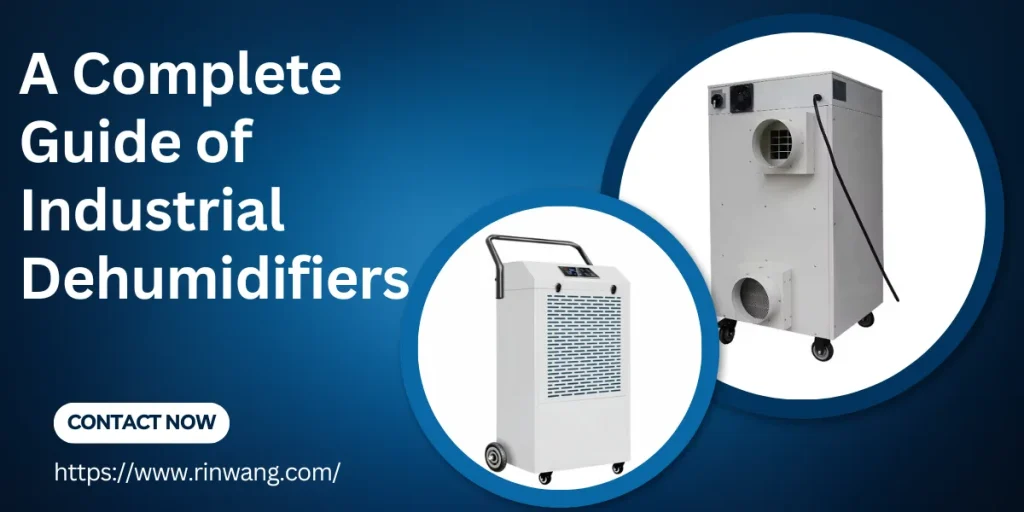
In simple terms, a dehumidifier’s main job is to remove moisture from the air, turning water vapor into liquid to be removed from the facility. This is achieved using two primary methods: refrigerant-based dehumidifiers and desiccant dehumidifiers.
| Feature | Refrigerant (Compressor) Dehumidifiers | Desiccant (Rotor) Dehumidifiers |
| How it Works | Draws air over cold evaporator coils, cooling it below the dew point to condense water vapor into liquid. | Passes air through a rotating wheel coated with a desiccant material (e.g., silica gel) that absorbs moisture directly. |
| Ideal Temp Range | 15°C to 35°C (Loses efficiency in cold). | -20°C to 40°C (Works perfectly in freezing conditions). |
| Energy Source | Electricity (Compressor). | Electricity, Steam, or Gas (Reactivation heater). |
The Role of Dehumidification in Different Industries
Now that we understand how dehumidifiers work, let’s explore their specific applications across various industries. Each industry faces unique moisture-related challenges, and dehumidifiers are crucial in resolving these issues:
1. Pharmaceuticals & Biotech: Ensuring Regulatory Compliance
- The Problem: Excess moisture can cause pharmaceutical powders to clump, clog tablet presses, and promote microbial growth.
- The Solution: High-precision desiccant systems maintain stable, low-humidity air, ensuring powder flowability and protecting heat-sensitive biological products from moisture-related degradation. To explore more about dehumidifiers for this sector, see our desiccant dehumidifiers.
2. Food & Cold Chain: Quality Preservation & Energy Savings
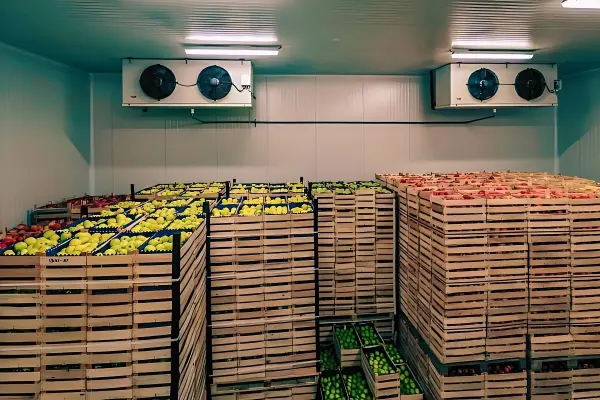
- The Problem: Condensation can lead to “sugar bloom” on chocolates, ice buildup on cold storage evaporators, and weak packaging that can soften under moisture. These issues cause frequent, energy-heavy defrost cycles.
- The Solution: By removing moisture before it condenses on cold surfaces, dehumidifiers help eliminate frost, protect packaging integrity, and significantly reduce refrigeration energy loads, preserving food quality and minimizing waste. For environments with extremely low temperatures, our low-temperature dehumidifier is designed to operate efficiently, with a minimum operating temperature of -10°C, ensuring optimal humidity control even in freezing conditions.
3. Electronics & Semiconductors: Preventing Micro-Corrosion
- The Problem: High humidity accelerates microscopic oxidation on circuits, while low humidity can lead to Electrostatic Discharge (ESD), which can damage sensitive electronic components.
- The Solution: Advanced industrial dehumidifiers maintain the “sweet spot” humidity range (typically 40%-50% RH) to prevent corrosion and mitigate ESD risks, ensuring the reliability and longevity of electronics in cleanrooms and data centers.
4. Energy & Infrastructure: Hardening Assets Against Decay
- The Problem: Offshore wind turbine towers, underground tunnels, and other assets exposed to salt-spray and condensation face significant risk of rust, corrosion, and sensor failure.
- The Solution: Heavy-duty industrial dehumidifiers stabilize the internal micro-climate of these assets, extending maintenance intervals and improving the longevity of critical infrastructure assets, safeguarding billion-dollar investments.
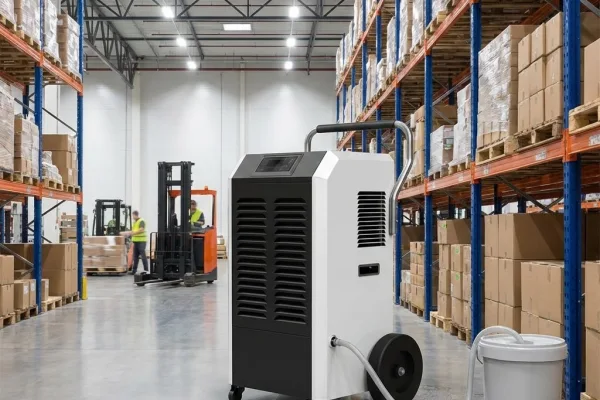
5. Warehouses & Storage: Preventing Product Damage and Loss
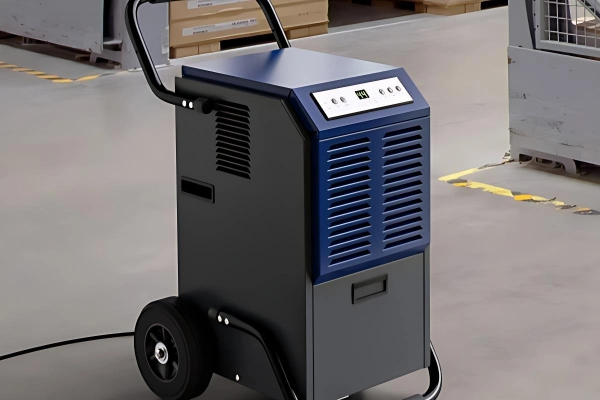
- The Problem: In warehouses and storage facilities, excessive humidity can cause corrosion on metal shelves, warp wooden pallets, and degrade sensitive products like electronics, textiles, or paper goods.
- The Solution: Dehumidifiers maintain a stable, controlled environment, reducing the risk of product damage. They help preserve the integrity of stored goods, ensuring long-term quality and reducing costly product loss. For optimal humidity control in warehouses, consider our industrial dehumidifier for warehouse, designed to meet the specific needs of large storage spaces.
The Economic Ledger: The ROI Logic of Investing in Dehumidification
Investing in an industrial dehumidifier is a capital expenditure (CAPEX) that delivers operational savings (OPEX) through the following benefits:
- Reduction in Waste and Spoilage
Maintaining optimal humidity levels reduces the risk of inventory loss. Dehumidifiers help prevent issues like rust on metal and clumping of hygroscopic ingredients, reducing scrap rates and improving product quality. - Energy Efficiency and Cost Reduction
Dehumidifiers are more energy-efficient than HVAC systems, which typically overcool and then reheat the air. Systems that meet the latest ENERGY STAR commercial dehumidifier standards remove more water per kilowatt-hour, significantly lowering energy consumption and utility bills. - Extending Equipment Lifespan
By controlling moisture, dehumidifiers reduce maintenance costs by up to 40%, due to fewer mechanical breakdowns, sensor failures, and mold remediation needs. Proper humidity control helps extend the lifespan of equipment. For additional details, explore our industrial dehumidifiers.
For a more comprehensive guide on how dehumidifiers serve various industries, visit our practical guide on industrial dehumidifiers by application.
How to Choose the Right Dehumidifier for Your Business
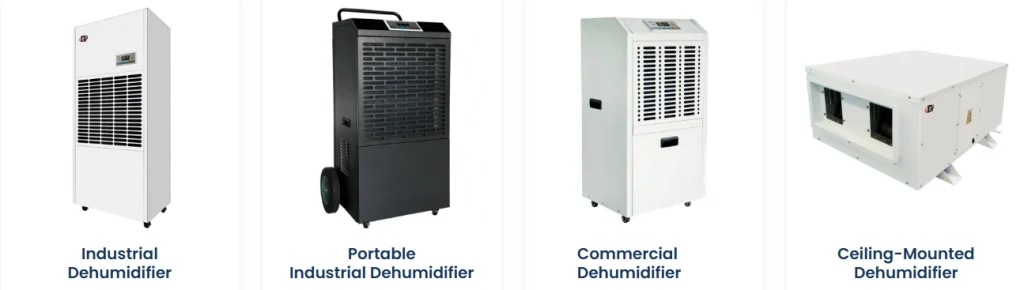
Choosing the appropriate dehumidifier for your business requires a careful assessment of your needs:
- Capacity Requirements: When choosing a dehumidifier for your business, consider the size of the space and the moisture level. Larger facilities, such as warehouses or factories, typically require industrial-grade units with higher moisture removal capacities. Understanding the specific moisture load will ensure you select a dehumidifier that can handle the environment effectively.
- Desired Humidity Levels: Different industries require different humidity levels. For example, pharmaceutical environments may need humidity levels below 40%, while a typical warehouse may have a slightly higher tolerance. For businesses in specific industries, it’s important to choose the right type of dehumidifier tailored to the application.
- Energy Efficiency: Choosing an energy-efficient dehumidifier can significantly reduce your long-term operational costs.
- Integration with Existing HVAC Systems: If your facility already has HVAC systems in place, consider how the dehumidifier will integrate with them. Some models are designed to seamlessly connect with existing HVAC systems, which reduces installation complexity and lowers additional costs. For a more detailed guide on how to select the right dehumidifier, take a look at our article on How to Choose an Industrial Dehumidifier.
Conclusion
Dehumidifiers are essential tools for maintaining optimal environmental conditions in industrial and commercial settings. By controlling humidity, they prevent product spoilage, protect valuable assets, and ensure operational efficiency. Investing in the right dehumidifier will yield long-term benefits by saving money on maintenance, energy, and downtime.
FAQ
1. What does a dehumidifier do for industrial applications?
A dehumidifier removes moisture from the air to prevent damage to equipment, reduce the risk of mold, and maintain product quality.
2. How do I choose the right dehumidifier for my business?
Select a dehumidifier based on the size of your space, moisture load, energy efficiency, and required humidity levels.
3. Can a dehumidifier save on energy costs?
Yes, by removing moisture, dehumidifiers reduce the load on cooling systems, lowering energy consumption.
4. What types of dehumidifiers are available for industrial use?
There are refrigerant, desiccant, and rotary dehumidifiers, each suited for different industrial environments.
5. How do dehumidifiers help prevent mold growth?
By maintaining optimal humidity levels, dehumidifiers prevent conditions that promote mold and mildew growth.
6. Are dehumidifiers necessary in warehouses?
Yes, dehumidifiers help maintain the integrity of stored goods, especially sensitive items like pharmaceuticals and electronics.