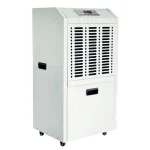
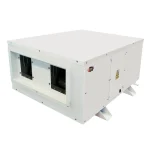
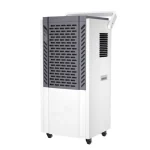
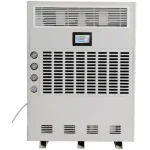
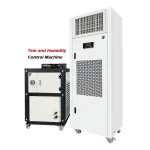
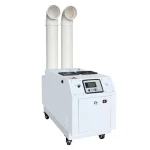
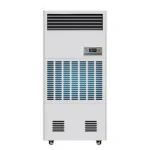
In commercial cannabis cultivation, climate control is not just about maximizing yield. It is about protecting crop quality, compliance, and operating margins. While lighting and nutrients often receive most of the attention, humidity control is often the factor that determines whether a facility stays stable or runs into costly problems.
Cannabis plants release most of the water they absorb back into the room air. In dense commercial grow environments, that creates a heavy and constant moisture burden. Without dehumidification equipment designed for this load, humidity quickly builds up, microclimates form inside the canopy, and disease risk rises.
This article will delve into why mastering your grow room climate requires more than just standard dehumidification equipment—it demands industrial dehumidifiers purpose-built for commercial cannabis.
1. Global Macro Trends: The Shift to Commercial Scale
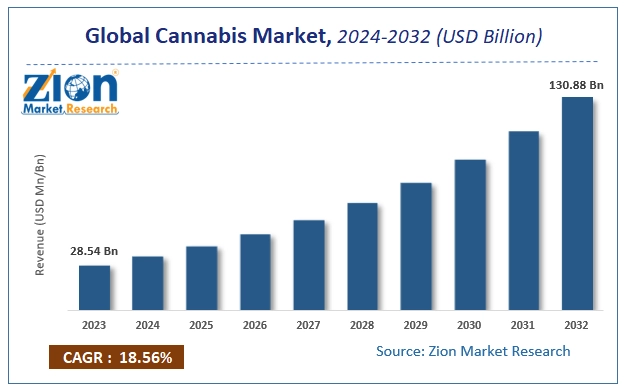
The global cannabis market is transitioning toward large-scale, regulated commercial operations. Industry data from Coherent Market Insights projects the global cannabis technology market to reach $25.41 billion by 2032, with North America expected to account for 37.7% of the market share by 2025. This rapid scaling requires commercial-grade infrastructure to maintain product consistency and strict regulatory compliance.
At the same time, climate conditions vary widely across growing regions. Humid regions increase fungal risk, dry regions require balanced cooling and moisture removal, and colder regions often face humidity swings and condensation.
As facilities scale, the moisture load from plant transpiration rises sharply, especially in multi-tier rooms and tightly controlled indoor environments. That makes humidity control a core infrastructure issue rather than a secondary HVAC concern.
2. Grow Room Moisture Dynamics and Environmental Control
As cultivation scales up and plant density increases, moisture management becomes just as critical as temperature control. The challenge is not simply removing water from the air. It is doing so without creating temperature swings, airflow dead zones, or control conflicts with the rest of the climate system.
2.1 The Impact of Uncontrolled Humidity on Pathogen Proliferation
During flowering and late flowering, canopy density rises and transpiration remains high. When the light cycle shifts off, room temperature often drops quickly. That reduces the air’s moisture-holding capacity, pushes relative humidity upward, and increases the risk of condensation on buds and surrounding surfaces.
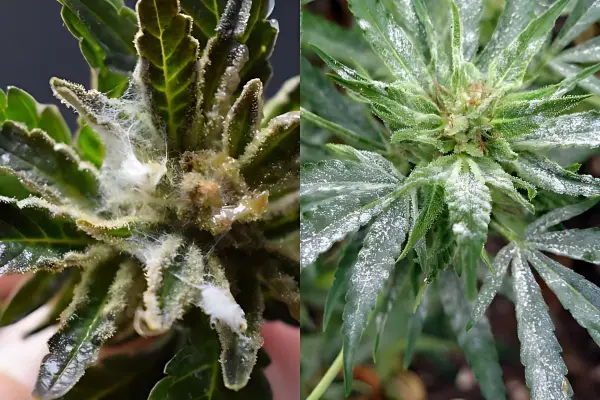
This free moisture creates the exact environmental conditions required for pathogenic fungi to proliferate:
- Botrytis cinerea (Bud Rot): Develops internally within dense floral structures. It degrades plant tissue rapidly and is often visually undetectable until significant damage has occurred, rendering the product unsalable.
- Powdery Mildew (PM): Manifests as a white mycelial growth on leaf surfaces. It inhibits photosynthesis, stunts plant development, and directly leads to failed microbial compliance testing.
Systemic outbreaks of these pathogens directly result in yield reduction, failed regulatory compliance, and significant financial losses.
2.2 Core Metrics: Vapor Pressure Deficit (VPD) vs. Relative Humidity (RH)
Preventing these outbreaks requires more than keeping RH within a generic range. What matters is how strongly the surrounding air pulls moisture from the plant. That is why commercial growers increasingly track VPD rather than relying on RH alone. In simple terms, VPD shows how aggressively the air will draw moisture from the plant. That makes it a more useful control metric than RH when the goal is stable transpiration and predictable crop performance.
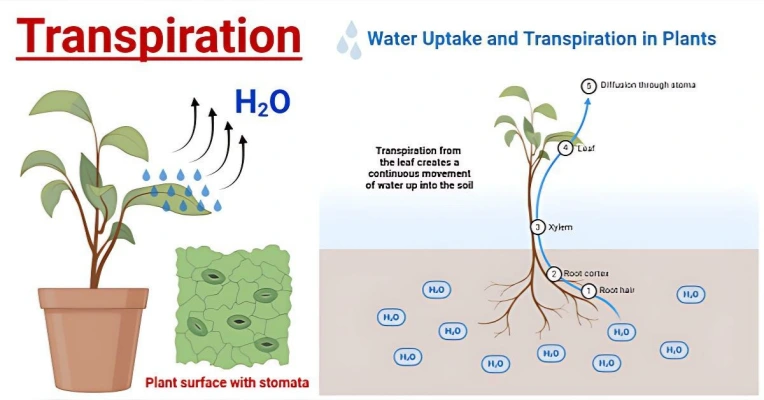
- Low VPD (Excessive Humidity / Low Drying Power): Transpiration slows or stops entirely. This restricts the uptake of water and essential mobile nutrients (like calcium) from the root zone, leading to nutrient deficiencies and weak structural growth.
- High VPD (Insufficient Humidity / High Drying Power): The air pulls moisture too aggressively. To prevent severe dehydration, cannabis plants close their stomata. This halts gas exchange, completely stalling photosynthesis and overall plant development.
Maintaining VPD targets requires more than basic moisture removal. Temperature, airflow, and dehumidification must work together. That is where purpose-built cannabis dehumidifiers have a clear advantage, especially when they can integrate with automated climate controls. If you want a broader breakdown of the difference between a standard dehumidifier and an industrial dehumidifier, that comparison becomes even clearer when you look at capacity, design, and duty cycle.
2.3 Optimal VPD and Humidity by Growth Stage
Crucially, these “targeted VPD ranges” are not static. As cannabis progresses from seedling to harvest, its transpiration rates and environmental vulnerabilities shift dramatically. The table below outlines the standard targets for each developmental phase and the corresponding dehumidification focus:
| Growth Stage | Target Temp (°F / °C) | Target RH (%) | Optimal VPD (kPa) | Dehumidification Operational Focus |
| Clones / Seedlings | 75-80°F (24-27°C) | 70-80% | 0.4 – 0.8 | Minimal moisture removal; prioritizing moisture retention for root development. |
| Vegetative | 75-85°F (24-29°C) | 50-70% | 0.8 – 1.2 | Moderate moisture removal; managing steadily increasing transpiration rates. |
| Flowering | 70-80°F (21-26°C) | 40-50% | 1.2 – 1.5 | High-capacity continuous removal; preventing condensation within dense canopies. |
| Late Flower / Flush | 65-75°F (18-24°C) | 35-45% | 1.5+ | Aggressive moisture removal; lowering the dew point to actively inhibit pathogen growth. |
These shifting targets are one reason standard dehumidification often struggles in commercial cannabis environments, especially when load and room conditions change throughout the cycle.
3. Benefits of Industrial Cannabis Dehumidifiers for Cultivation Facilities
3.1 Enhancing Yield and Cannabinoid Quality
- Consistent Nutrient Uptake: Precise VPD control ensures plants transpire steadily, allowing them to absorb more water and nutrients for maximum biomass.
- Maximized Potency: Lower humidity during late flower helps maintain more stable finishing conditions and can support resin, terpene, and cannabinoid development when balanced with the rest of the climate strategy.
3.2 Improving Energy Efficiency and Lowering Costs
- Purpose-built cannabis dehumidifiers are designed to remove more moisture per unit of energy while reducing unnecessary strain on the wider cooling system. In commercial facilities, this can translate into lower utility costs and more stable climate performance over time.
3.3 Strengthening Disease Prevention and Compliance
- Eliminating Microclimates: High-airflow designs help reduce stagnant humid zones inside dense canopies, lowering the risk of fungal pressure. Better humidity control can also reduce dependence on corrective treatments and support cleaner compliance outcomes.
- Ensuring Clean Product: Effective humidity control can reduce reliance on chemical fungicides and support cleaner microbial and residue compliance outcomes.
These outcomes are not the result of moisture removal alone. They depend on how the unit handles heat, airflow, protection, and system control under commercial grow conditions.
4. Core Technology and Configurations of Industrial Cannabis Dehumidifiers
Understanding the internal engineering of an industrial cannabis dehumidifier reveals why standard units cannot perform in high-transpiration environments.
4.1 Specialized Refrigeration Cycle: The Reheat Advantage
The key advantage is simple: the unit removes moisture without pushing the room too cold or too hot. Unlike standard dehumidifiers that simply cool the air, industrial cannabis units use a sophisticated Reheat Circuit to manage humidity without over-cooling or over-heating the room.
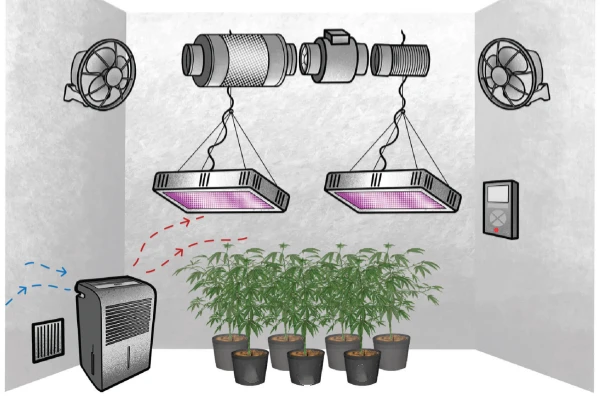
The Workflow:
- Intake & Pre-Heating: Humid air is drawn into the unit. In advanced configurations, the air passes through a reheat condenser first, which utilizes reclaimed waste heat from the compressor.
- Saturation & Condensation: This pre-conditioned air then hits the evaporator coil. Because the air is pre-managed, the dew point is reached more efficiently, causing moisture to condense into droplets and drain away.
- Heat Neutralization: Before the dry air is exhausted back into the grow room, it passes through a second heat exchanger to ensure the output temperature is “neutral”—meaning the dehumidifier doesn’t force your A/C system to fight against extra heat.
This cycle prevents the “cold and clammy” or “overheated” environments common with standard units, ensuring your VPD remains stable.
4.2 Industrial Cannabis Dehumidifier vs. Standard Dehumidifier
The difference is not just capacity. It is how the unit performs under corrosive, high-transpiration, tightly controlled grow conditions.
| Feature | Industrial Cannabis Dehumidifier | Standard Commercial Unit |
| Environmental Protection | Standard E-Coating (Anti-Corrosion) protects coils from fertilizers and sulfur. | Unprotected coils may corrode faster in fertilizer- and sulfur-exposed grow environments. |
| Heat Exchange Tech | Microchannel Heat Exchanger: higher efficiency, compact size, and less refrigerant. | Traditional tube-and-fin; bulkier and less energy-efficient. |
| Moisture Science | Pre-Heat Condenser Cycle: air is pre-heated, then dehumidified for maximum water removal. | Standard cooling cycle; often causes output air to be too cold. |
| Air Filtration | Standard G4 (Pollen/Spore Protection); optional upgrade to MERV-13. | Basic foam or mesh filters; limited fine-particle filtration. |
| System Integration | TrolMaster Ready (Standard); seamless connection to smart grow controllers. | More limited control options; integration with broader automation may be less flexible. |
| Crop Health Focus | Minimal Temp Differential: prevents “Leaf Yellowing” caused by temperature shock. | Larger temperature swings may create less stable plant conditions. |
| Safety & Monitoring | Integrated Air Pressure Switch: protects the system and monitors airflow health. | More limited internal monitoring can increase the risk of performance instability under demanding conditions. |
4.3 Installation Configurations: Maximizing Floor Space
Choosing the right form factor is essential for operational efficiency and airflow management:
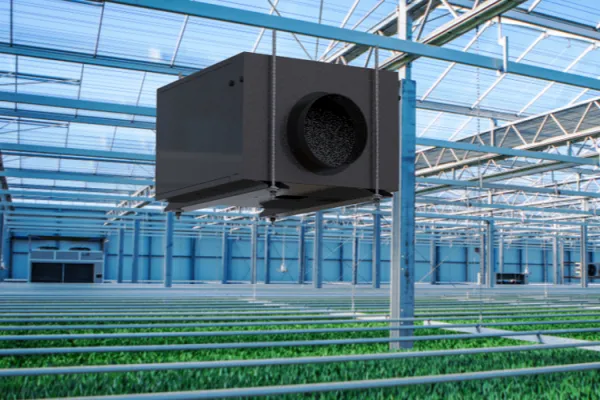
- Ceiling-Mounted (Overhead):
- Best For: Commercial facilities and vertical farms.
- Advantage: Preserves valuable floor space for plants and allows for strategic “top-down” airflow to eliminate microclimates in the upper canopy.
- Stand-Alone / Floor Units:
- Best For: Smaller grow rooms or supplemental dehumidification.
- Advantage: Easier to service and can be repositioned to support localized humidity control when needed.
5. Facility Applications: Engineering for Specific Environments
Once the core engineering is clear, the next question is application fit: which configuration works best in each cultivation environment? Different cultivation environments present unique latent heat loads and architectural constraints. Selecting the correct configuration is essential for operational stability.
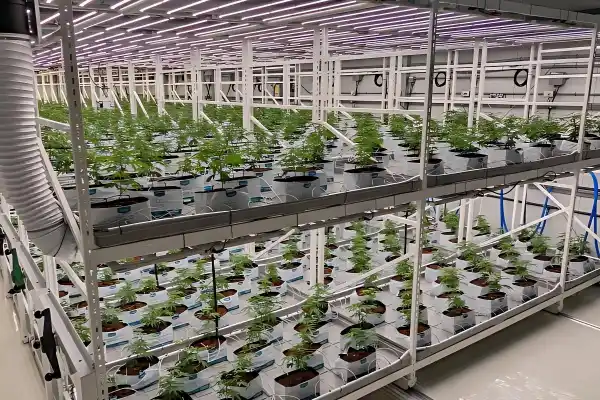
5.1 Indoor Multi-Tier Vertical Farms
- The Challenge: Vertical farming is the most demanding environment due to microclimates trapped between layers. Dense canopies restrict airflow, leading to “stagnant pockets” of 90%+ humidity even if the room’s average RH is 50%.
- The Solution: Ceiling-Mounted (Overhead) industrial units with high-static pressure fans. These dehumidifiers use top-down airflow and higher static pressure to move drier air through dense stacked canopies more evenly.
5.2 Commercial Greenhouses
- The Challenge: Greenhouses deal with massive environmental fluctuations influenced by external solar radiation and nighttime cooling. Rapid humidity spikes occur immediately after sunset (the dark photoperiod) as temperatures drop, risking condensation and Botrytis.
- The Solution: A high-capacity cannabis dehumidification system integrated with the facility’s greenhouse controller. In greenhouse settings, dehumidification should respond quickly to sunset-driven humidity spikes and work in coordination with vents, shading, and the broader control system.
5.3 Drying and Curing Rooms
The same logic extends beyond cultivation rooms into post-harvest spaces, where stable moisture removal is equally critical.
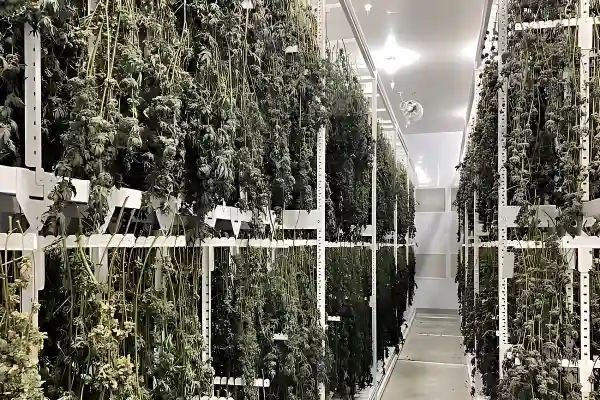
- The Challenge: Maintaining a consistent Low Dew Point (e.g., 60°F at 55% RH). Standard units often freeze up or cycle inconsistently at these lower temperatures.
- The Solution: Purpose-built units with Microchannel Heat Exchangers and precise low-temp tuning. These provide the steady, aggressive moisture removal needed to dry the product evenly without the risk of over-drying or mold development.
6. Pro Buyer’s Guide: Specifying the Ideal Cannabis Dehumidifier
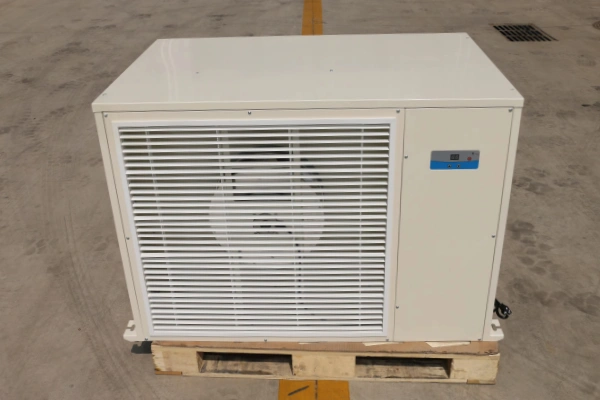
6.1 Load-Matched Capacity Sizing
- The Capacity: Capacity should be sized primarily around peak daily water input and expected transpiration load, rather than average ambient humidity alone. If your grow room receives 100 gallons of water per day, your Industrial Cannabis Dehumidifiers must be rated to remove an equivalent volume of moisture (Pints Per Day) to maintain a stable VPD during the high-transpiration late-flower stage.
6.2 Key Metric: Energy Efficiency (L/kWh)
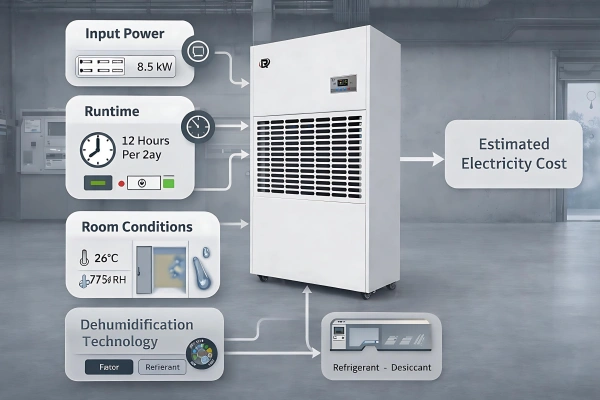
The true cost of a dehumidifier is its cumulative power consumption. Low-efficiency units significantly increase long-term operational expenditure (OpEx).
- Efficiency Advantage: Efficient commercial dehumidifiers should target a rating of 2.8 to 3.0 L/kWh or higher. Units below 2.0 L/kWh are inefficient, leading to high utility bills and excessive waste heat. Our Industrial Cannabis Dehumidifiers utilize Microchannel Heat Exchangers to exceed industry standards. This high-efficiency design typically delivers a return on investment (ROI) via energy savings within 12–18 months.
6.3 Dynamic System Integration
- Synchronization: Climate instability is often caused by “control conflicts” between independent HVAC and dehumidification units. Our systems come TrolMaster-ready, allowing for seamless communication with industry-standard environmental controllers. This synchronization ensures that the HVAC and dehumidification systems operate in tandem, eliminating temperature fluctuations and preventing crop stress caused by erratic climate cycles.
6.4 Industrial-Grade Serviceability
- Modular Access Design: Simplified internal layouts for rapid coil maintenance, cleaning, and routine inspections.
- Standardized Pathogen Defense: Equipped with G4 or optional MERV-13 filtration to capture mold spores, dust, and pollen, ensuring the highest level of crop purity.
- Lifecycle Support: We provide comprehensive technical specifications and a reliable supply chain for critical replacement parts, ensuring the system maintains peak performance throughout its service life.
7. FAQs
1. Where should I place a dehumidifier in my grow room?
For optimal efficiency, install the unit centrally or mount it overhead to ensure even moisture extraction. Avoid obstructing the intake and exhaust vents to maintain proper airflow.
2. Can I use dehumidifier water for my cannabis plants?
Yes, reclaimed condensate is essentially distilled water. However, you must properly filter and sterilize this water before reusing it to prevent introducing airborne pathogens into your root zone.
3. Do dehumidifiers create heat in a grow room?
Yes, moisture removal naturally generates sensible heat. Purpose-built industrial units mitigate this using specialized reheat circuits, ensuring the minor temperature output doesn’t overwhelm your HVAC cooling system.
4. Why does my grow room dehumidifier freeze up?
Freeze-ups happen when standard commercial units operate in environments below 70°F. Industrial cannabis dehumidifiers prevent this using advanced defrost cycles and low-dew-point engineering designed for the late-flower stage.
5. Should I run my dehumidifier when the grow lights are off?
Absolutely. When temperatures drop during the dark cycle, relative humidity spikes rapidly. Running your dehumidifier continuously when lights are off is critical to preventing condensation and bud rot.
In commercial cannabis cultivation, dehumidification is not a secondary add-on. It is a core part of climate stability, crop protection, and operating efficiency. As facilities become denser and more tightly controlled, standard units often struggle to manage moisture without creating new problems. Purpose-built cannabis dehumidifiers are designed for that environment, which is why they play a central role in serious facility planning.