Application guides for industrial and commercial dehumidifiers. Learn how to control humidity in warehouses, cold rooms, greenhouses, swimming pools, factories, and other challenging environments with the right solution.
A musty guest room, fogged pool-hall glazing, and damp linen storage are rarely three separate problems. In most hotels they are one problem: moist air moving between zones through corridors, shafts, and wall assemblies, driven by pressure differences the building itself creates. That is why hotel dehumidifier selection should not start with equipment capacity. It […]
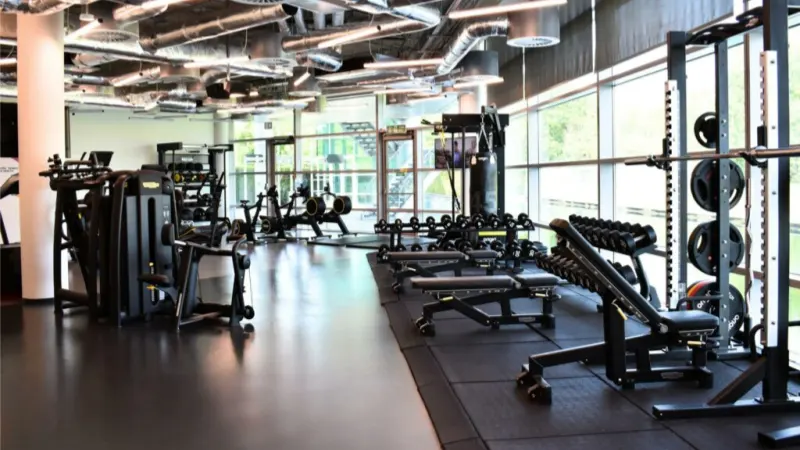
A fitness room can reach its temperature setpoint while mirrors stay fogged, rubber flooring feels tacky, and metal handrails remain damp after a full class. That is a warning that the cooling system has handled temperature but not the moisture load. The right gym dehumidifier is selected by the control task, not floor area alone. […]
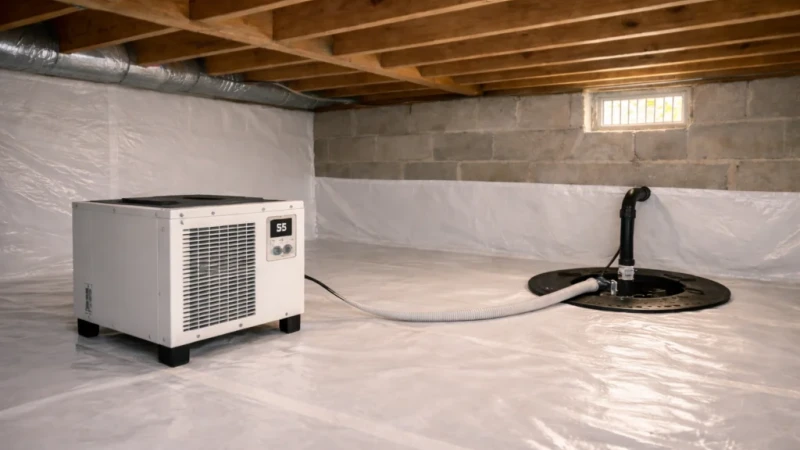
The right dehumidifier size depends on more than the crawl space floor area. A sealed 2,000 sq ft crawl space with no active leaks may be controlled by one correctly selected unit. The same floor area may need a different solution when it contains exposed soil, open vents, sweating pipes, low winter temperatures, or foundation […]
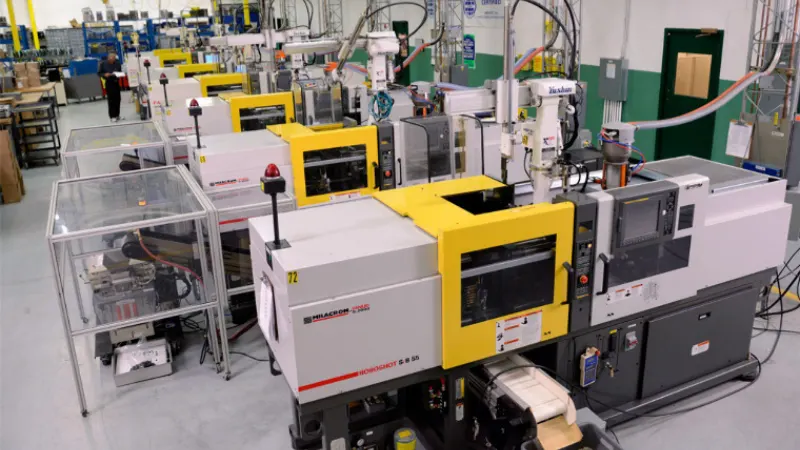
Water is forming on the mold even though the material-drying system is operating normally. Droplets appear on the mold frame, chilled-water valves, quick connectors, or nearby pipes. The floor beside the machine becomes wet. Slides and inserts begin to corrode. Operators may raise the chilled-water temperature simply to keep the mold dry. These are environmental […]
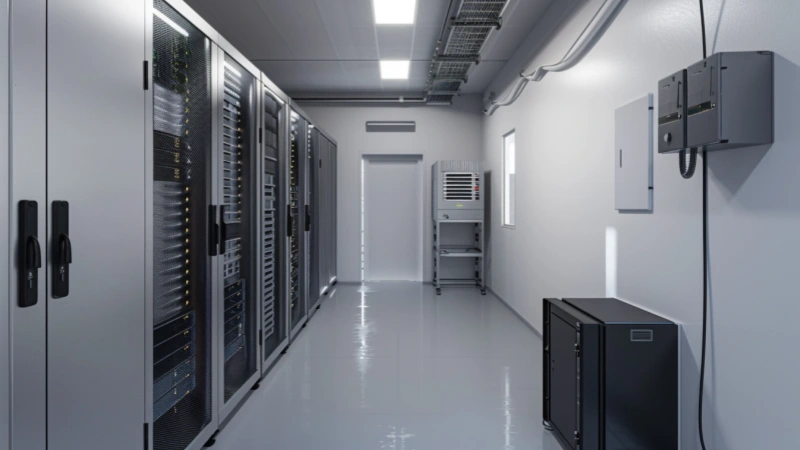
Maintaining proper humidity in a data center or server room is just as important as controlling temperature, yet it is often overlooked until problems appear. In many facilities, the cooling system keeps equipment temperatures within range, but moisture levels fluctuate due to outdoor air, door openings, or insufficient latent capacity. This can lead to condensation […]
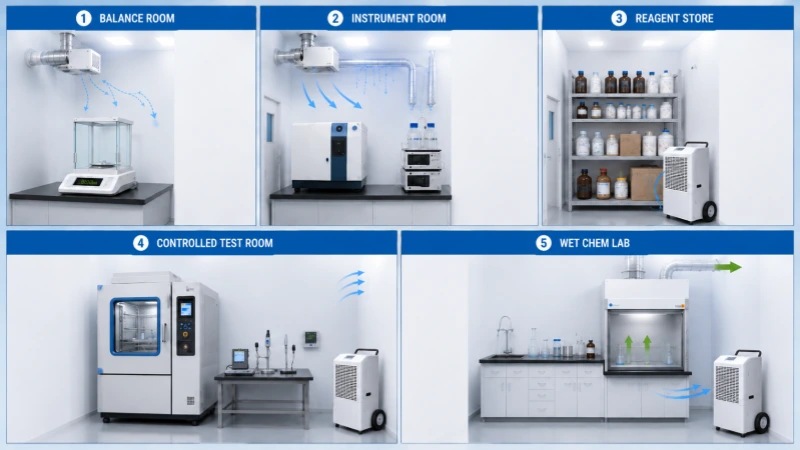
Laboratory humidity problems do not look the same in every room. A balance room may have unstable readings or powders sticking to containers. An instrument room may develop condensation around chilled pipes or optical components. A reagent store may have damp labels, clumped materials or corroded containers. These rooms also do not need the same […]