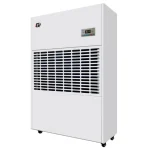
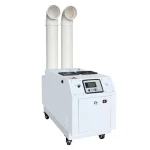
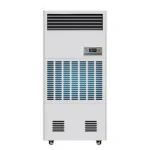
If your industrial dehumidifier is running but the space still feels damp, check the filter first.
In many facilities, a dirty filter shows up as weaker intake airflow, slower dry-down after washdown, damp cartons in storage, or frost starting near the coil. The unit may still sound normal, but moisture control becomes less stable. That is why filter inspection is often one of the first maintenance checks to make.
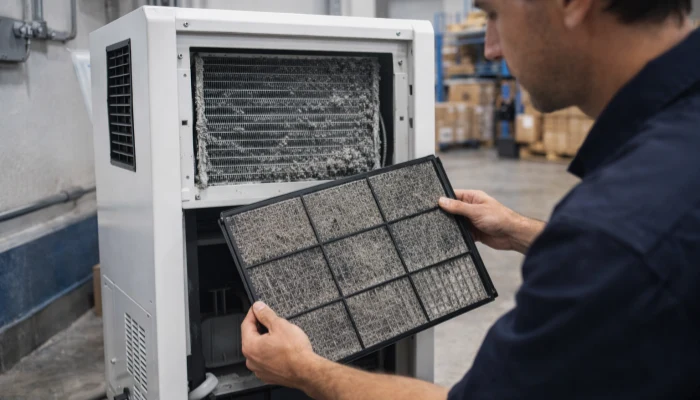
Why a Dirty Industrial Dehumidifier Filter Reduces Performance
A loaded filter makes it harder for the unit to pull air through the system. When airflow drops, moisture removal usually drops with it. U.S. Department of Energy guidance also notes that dirty, clogged filters reduce airflow and system efficiency, which is why filter cleaning should be part of routine maintenance, not something delayed until performance clearly falls off.
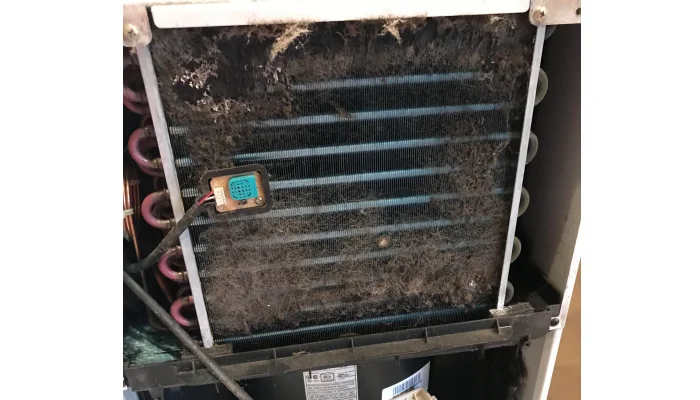
In practice, the first signs are usually easy to spot. A packaging area feels clammy. A colder corner stays damp. The unit runs longer, but the space dries more slowly. If the filter has already been cleaned or replaced and the machine still does not recover, the next step is to check why an industrial dehumidifier is not collecting water.
Check the Filter Type Before You Start Cleaning
Not every industrial dehumidifier filter should be washed.
Some filters are simple washable mesh or screen media designed to catch larger debris before it reaches deeper parts of the system. Those are often suitable for routine cleaning if the frame is still sound and the media is not torn.
Other units use a staged arrangement. The pre-filter may be washable, while the deeper filter is not. In that setup, a blocked pre-filter can still become the main airflow restriction even if the downstream filter looks cleaner.
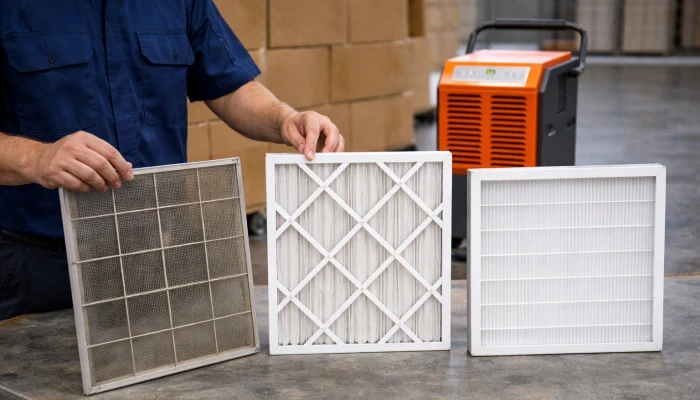
Higher-efficiency media needs more caution. The U.S. EPA explains what a HEPA filter is and also explains how MERV ratings relate to particle capture. That distinction matters in the field because a higher-efficiency filter should be matched to the unit design and serviced according to its own guidance rather than treated like a washable pre-filter.
Quick Filter Check
| Filter Type | Usually Washable? | Typical Cleaning Method | When Replacement Is Safer |
|---|---|---|---|
| Mesh / screen filter | Yes | Vacuum loose dust, rinse gently, air dry fully | Tears, warping, odor, poor fit |
| Washable synthetic pre-filter | Often yes | Vacuum first, rinse gently, mild cleaner if allowed | Media damage, frame damage, no airflow recovery |
| HEPA-style filter | Usually no | Follow model guidance; often surface dust removal only | Most routine service situations |
| Activated carbon filter | Usually no | Replace rather than wash | Odor breakthrough, saturation, contamination |
How to Clean an Industrial Dehumidifier Filter Step by Step
Step 1: Power Off and Isolate the Unit
Shut the unit down fully before touching the filter. Disconnect power. If the site uses a formal maintenance or lockout process for larger equipment, follow that process before opening the access panel.
Step 2: Remove the Filter Carefully
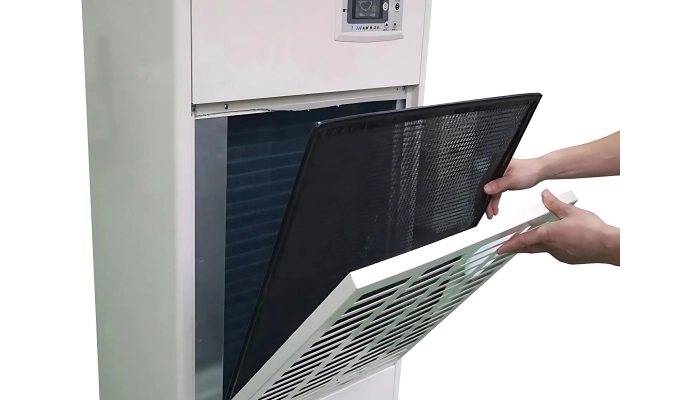
Open the intake cover or access panel and remove the filter without bending it. If the unit has more than one filter layer, note the order and direction before removing anything. In multi-stage setups, reinstalling filters in the wrong order can leave the real airflow restriction in place even after cleaning.
Step 3: Inspect Before Washing
Before adding water, check for:
- Tears or holes
- Collapsed media
- A warped frame
- Heavy caking
- Oily or sticky contamination
- An odor that suggests the media may be beyond cleaning
If the filter is physically damaged, skip the wash step and replace it.
Step 4: Remove Loose Dust First
Vacuum or brush off dry debris before rinsing. In dusty facilities, that first dry-clean step helps stop loose dust from turning into a muddy layer when water hits the filter.
Step 5: Clean the Filter Based on Its Type
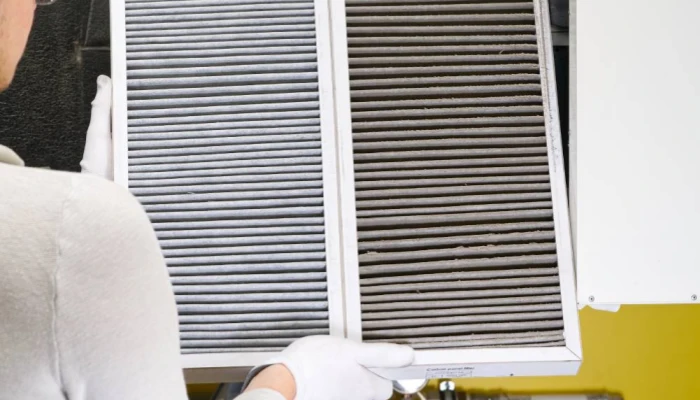
For washable mesh or washable synthetic filters, rinse gently with clean water. If the model guidance allows it, use a mild cleaner. Do not use high-pressure water. Do not twist the media hard. Do not scrub it like a floor mat.
For higher-efficiency or non-washable media, follow the service method for that filter type. Treating every filter as washable creates the highest risk of unnecessary filter damage because media type, frame structure, and intended service method are not the same. The difference between HEPA media and MERV-rated filter media is one reason maintenance methods should not be assumed.
Step 6: Dry the Filter Completely
Do not reinstall a damp filter.
In busy facilities, filters are often put back too soon because the unit is needed in service again. A damp filter can attract more dust quickly and create odor or moisture-control problems of its own. Let the filter air dry fully in a clean, ventilated area before reinstalling it.
Step 7: Reinstall the Filter and Check Performance
Reinstall the filter in the correct direction. Close the access panel properly. Restart the unit and watch for:
- restored intake airflow
- stable sound level
- no new warning indicator
- better moisture removal over the next operating cycle
If airflow improves but frost keeps returning, it usually makes more sense to investigate why an industrial dehumidifier keeps freezing up than to keep washing the same filter again.
How Often Should You Clean an Industrial Dehumidifier Filter?
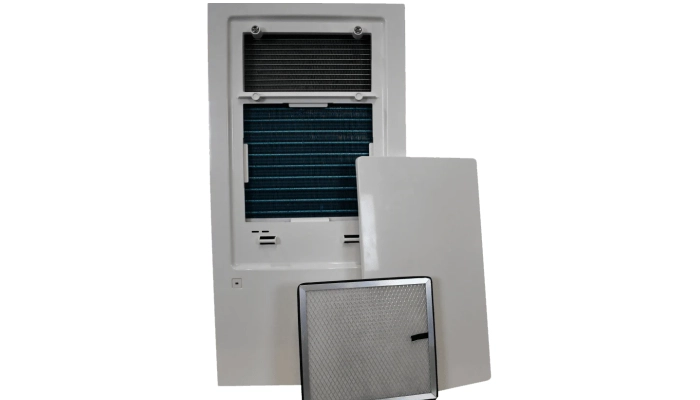
There is no single cleaning interval that fits every site. The right interval depends on runtime, dust load, fibers in the air, washdown frequency, and whether the unit sits near wet or unstable zones. Equipment maintenance guidance for air-handling systems shows that dusty conditions and constant use call for more frequent filter attention, which matches what most facilities see in practice.
In warehouses, filter loading often follows real site conditions rather than a fixed calendar. Carton fibers, dust, and door traffic all matter. That is why the interval should be judged as part of the wider warehouse humidity control setup, especially when cartons feel damp, labels stop sitting flat, or moisture keeps returning near loading doors.
In food-related areas, the filter often needs more frequent review because washdown moisture, airborne residue, and packaging sensitivity make food processing humidity control more demanding than in a general storage space. Wet floors, slow dry-down after sanitation, and unstable transition areas are practical signals that the maintenance interval may be too loose.
If the room has visible fibers, fine dust, or process debris, do not wait for the monthly calendar date. Check the filter weekly and clean it when loading justifies it.
Practical Check and Cleaning Intervals
| Facility / Area | Typical Contaminant Load | Suggested Check Interval | Suggested Cleaning or Replacement Review |
|---|---|---|---|
| General warehouse | Dust, carton fibers, general debris | Every 2 weeks | Every 2–4 weeks depending on loading |
| Packaging area | Paper dust, lint, adhesive residue in air | Every 1–2 weeks | Often every 2 weeks |
| Dusty production zone | Fine dust, fibers, process debris | Weekly | Weekly or as loading requires |
| Food support area | Washdown moisture, dust, hygiene-sensitive debris | Weekly | Weekly review, follow site hygiene rules |
| Grow room / greenhouse support zone | Spores, bio-load, high-humidity debris | Weekly | Weekly review, sometimes more often |
| Door zones / transition spaces | Mixed dust and condensation risk | Weekly | Based on visible loading and airflow change |
When Should You Clean the Filter and When Should You Replace It?
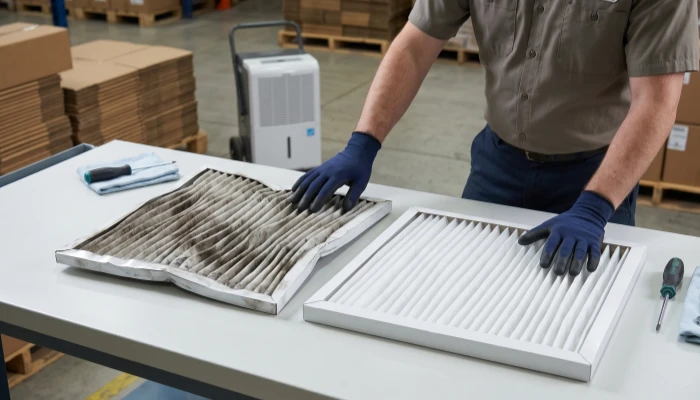
Many teams keep washing the same filter even after the frame is distorted, the odor remains, or airflow no longer recovers. At that point, the problem is no longer surface dust. It is a filter that is no longer worth trying to save.
Cleaning still makes sense when the frame is intact, the media is not torn, dust loading is the main issue, odor clears after washing, and airflow is likely to recover.
Replacement is usually the better choice when the filter is torn, bent, or warped; when the media no longer fits tightly; when odor remains after cleaning; when contamination is oily, sticky, or deeply embedded; when the filter type is not designed for routine washing; or when performance does not recover after service.
If filters keep loading unusually fast, or if the unit still struggles after routine filter maintenance, it may be time to review how to choose an industrial dehumidifier based on actual operating temperature, moisture load, and site conditions rather than treating every problem as a cleaning issue.
Common Filter Cleaning Mistakes to Avoid
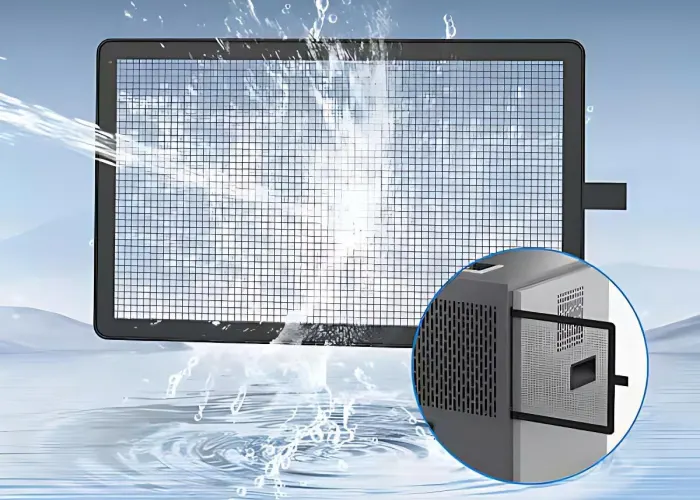
Using high-pressure water can damage media and distort the frame.
Reinstalling the filter before it is fully dry often puts the unit back into service with a new source of dust loading and odor risk.
Ignoring the pre-filter in a multi-stage setup can leave the main airflow restriction in place even after the deeper filter has been cleaned.
Treating every filter as if it were the same kind of washable screen causes a large share of avoidable service errors. Guidance on HEPA filters and MERV ratings makes it clear that higher-efficiency media should still be maintained according to its own service requirements.
Build a Simple Filter Maintenance Routine for Your Facility
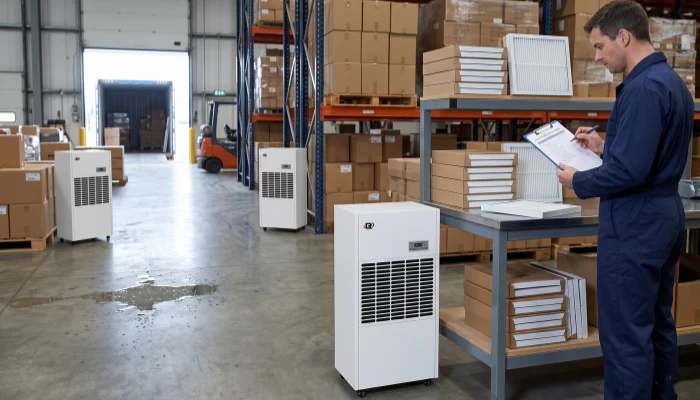
Cleaning one filter is simple. Managing five or ten units across dusty aisles, wet transition areas, and different runtime conditions is where maintenance routines usually break down.
Start with a maintenance log that records:
- unit ID
- location
- filter type
- date checked
- condition found
- cleaned or replaced
- next review date
This becomes more useful when different units operate under different loading conditions. A door zone near wet loading traffic does not foul at the same rate as a cleaner storage aisle.
Keeping spare filters for higher-load areas also reduces downtime and makes it easier to replace damaged media instead of forcing another wash cycle. If the same unit keeps loading filters unusually fast under the same site conditions, the next step is usually to confirm the filter type, airflow setup, and maintenance interval with the equipment supplier.
Quick Field Checklist: What You See and What to Do Next
| What You See | What It Usually Means | What to Do Next |
|---|---|---|
| Weak intake airflow | Filter loading or airflow restriction | Inspect and clean the filter first |
| Frost beginning near the coil | Airflow may be too low | Check filter condition and airflow path |
| Unit runs longer, but the space stays damp | Reduced dehumidification performance | Clean or replace the filter, then recheck |
| The filter smells bad after washing | Media may be contaminated beyond recovery | Replace the filter |
| The filter is torn or warped | Structural failure | Replace, do not wash and reuse |
| The filter looks clean, but performance is still poor | Another fault may be present | Move on to coil, fan, or refrigeration checks |
FAQ
How can you tell the filter is restricting airflow before alarms appear?
The earliest signs are usually operational, not electrical. Intake airflow feels weaker, dry-down slows, frost begins near the coil, or a room that was stable starts drifting damp again, even though the unit is still running.
Can the same washable filter be cleaned over and over?
Not indefinitely. Repeated cleaning can eventually weaken the frame, distort the media, or reduce how well the filter fits in place. Once the filter no longer holds its shape or airflow does not recover, replacement is the better option.
Where should spare filters be stored?
Keep them in a clean, dry service area, not in the same dusty or wet zone that loads the working filter. That helps prevent replacement media from picking up contamination before it is even installed.
Do door-zone temperature swings make icing more likely even after filter cleaning?
They can. If the unit sits in a transition area where warm, moist air and colder surfaces meet repeatedly, airflow recovery alone may not stop frost from returning. In that case, operating conditions need to be checked along with the filter.
Who should review the filter choice when the same unit clogs unusually fast?
That decision usually belongs with the equipment supplier, service team, or a technician familiar with the unit’s airflow requirements. Fast recurring loading can point to the wrong filter type, the wrong maintenance interval, or a site condition that needs a different setup.
Conclusion
If an industrial dehumidifier starts running longer, removing less moisture, or showing weaker airflow, the filter is one of the first places to check.
The safer routine is simple:
- Identify the filter type first
- Clean only what is meant to be cleaned
- Dry it fully
- Replace damaged or non-washable media
- Build an inspection routine around real site conditions
That is how a small maintenance task stays small.