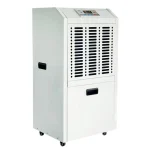
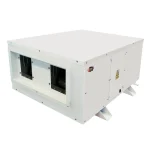
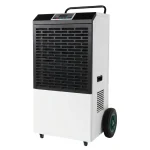
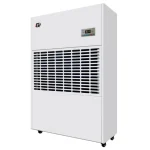
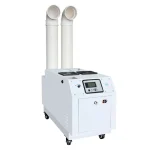
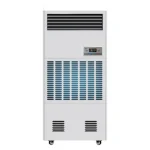
Batteries and electrical equipment can arrive at a warehouse in good condition and still be exposed to moisture while waiting for use or installation. Damp packaging, rust on exposed metal and water droplets on cold equipment are signs that storage conditions need attention. An industrial dehumidifier for battery storage can help control moisture in the surrounding air, but it needs to suit the room temperature, the amount of moisture entering the space and the equipment being stored.
This guide explains how to choose and use an industrial dehumidifier for finished battery and electrical equipment storage. It helps buyers turn storage requirements and everyday warehouse conditions into a practical equipment brief, so they can compare suitable options and check whether moisture control is working around the stored goods.
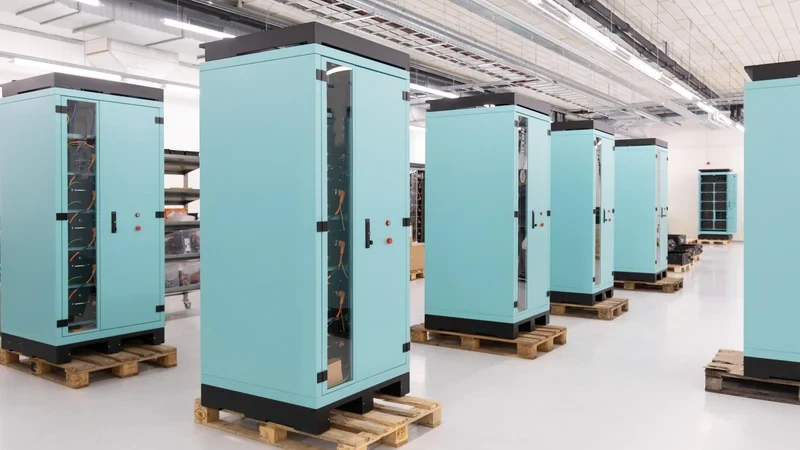
What Should You Check Before Choosing a Dehumidifier for Battery and Electrical Equipment Storage?
Start with the temperature and humidity requirements supplied by the manufacturer of the stored equipment. These define what the room needs to maintain and help determine whether room dehumidification is sufficient or whether individual cabinets need additional protection. Check the actual models, packaging and expected storage duration before choosing a humidity setting.
| Stored equipment | What to check before selecting a dehumidifier | What room dehumidification can do |
|---|---|---|
| Finished battery cells, modules or packs | Storage temperature and humidity, packaging and maintenance instructions | Control humidity in the surrounding air; battery charge and maintenance still need separate attention |
| Switchgear and control panels awaiting installation | Whether packaging must remain in place and whether built-in heaters must operate | Reduce moisture exposure around the equipment while its specified protection remains in use |
| Spare motors and other electrical assemblies | Protection required for windings, bearings, terminals and enclosed spaces | Control room humidity without assuming dry air reaches every internal part |
| Complete energy-storage cabinets awaiting installation | Storage instructions for both the cabinet and the batteries inside | Control room humidity while internal conditions are checked separately where required |
Check the equipment manufacturer’s storage requirements
Different equipment can need different storage arrangements. The Huawei SmartLi 3.0 long-term backup power manual, Issue 15 dated June 30, 2026, calls for dry indoor storage, intact battery packaging and stable temperature and humidity to avoid condensation. It also sets storage-duration and recharge requirements for the covered modules. These instructions help define the storage brief for those models; they are not a humidity specification for all batteries.
The Schneider Electric MCSeT storage instructions describe indoor packed storage, equipment heaters and inspection after unpacking. In this case, a room dehumidifier supports the specified protection rather than replacing it. Keep required packaging and heaters in place unless the equipment manufacturer approves a change.
Battery manufacturing dry rooms and opened electronic components have different requirements. Their very dry storage or production conditions should not be adopted automatically for finished battery packs or electrical assemblies.
How Should You Set Humidity Targets for Battery and Electrical Equipment Storage?
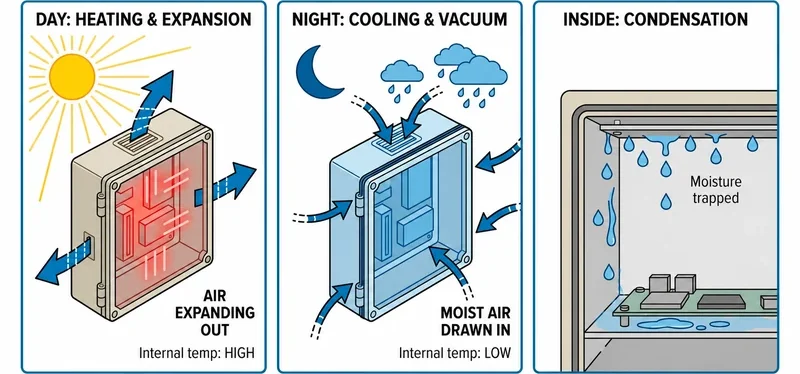
Use the manufacturer’s requirements to set the room temperature and relative humidity (RH), then check whether cold equipment could still collect water droplets. RH is the percentage shown on a typical humidity meter, and it changes with air temperature. A room can meet its RH limit while a much colder surface remains at risk of condensation.
Dew point is the temperature at which moisture in the air starts to condense as the air cools. For example, air at 25°C and 60% RH has a dew point of about 16.7°C. If an electrical enclosure arrives with a surface temperature of 10°C, water can form when that warmer air touches it. These are illustrative conditions, not a Rinwang installation result.
Where cold equipment must be exposed to room air, a dew point control target below its surface temperature helps prevent condensation. Allow an appropriate margin for changing conditions and measurement uncertainty. Alternatively, manage when the equipment is exposed by following the manufacturer’s receiving and unpacking procedure; the whole warehouse does not automatically need to be dried to suit the coldest arriving item.
Manage cold deliveries before unpacking
Use a receiving area where goods can remain under their prescribed protection while their temperature and packaging are checked. Equipment may need time to warm before it is exposed to the storage-room air. The waiting time depends on its size, materials, packaging, arrival temperature and the surrounding air conditions, so a fixed waiting period will not suit every delivery.
Record wet cartons, damaged packaging and visible water droplets on receipt. Affected equipment needs the manufacturer’s inspection and release procedure. Drying the room does not prove that water inside a package or cabinet has been removed or that the equipment is ready to be connected to power.
Refrigerant or Desiccant: Which Suits Your Storage Conditions?
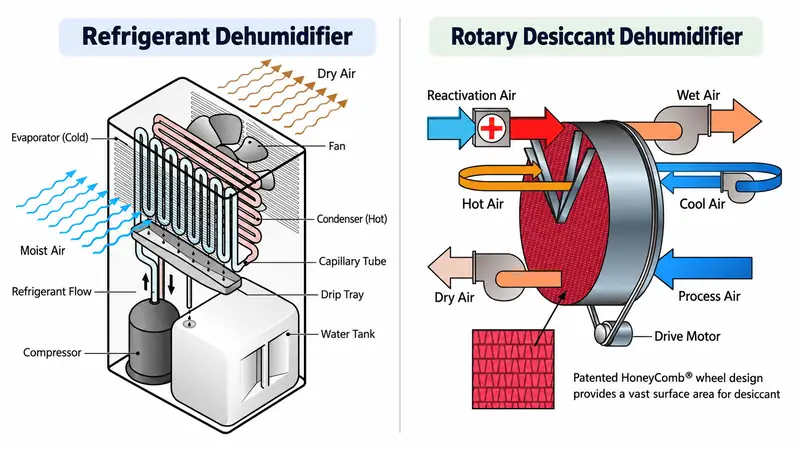
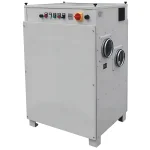
Choose industrial dehumidifiers around the room temperature, required humidity and the water that must be removed from the air. Refrigerant units cool air so moisture condenses into water that can be drained away. They may suit a temperature-controlled stockroom when their output is sufficient at the required conditions. An industrial desiccant dehumidifier uses a material that captures moisture and a heated air stream to carry the collected moisture away; it may be more suitable for a colder room or a lower dew point requirement.
| Storage condition | Equipment option to assess | What the supplier should confirm |
|---|---|---|
| Temperature-controlled battery or electrical stockroom | Refrigerant dehumidifier | Water removal at the room temperature and target RH, including the coldest operating period |
| Unheated equipment store or a lower dew point requirement | Desiccant equipment and any suitable low-temperature refrigerant alternative | Output at the required conditions, operating temperature limits, energy use and installation needs |
| Receiving area with conditions different from the main store | Separate control of the two areas where needed | How deliveries and air movement between areas affect humidity and recovery time |
For a desiccant system, check where the heated, moisture-carrying air will go and how much energy the heating process needs. For a refrigerant unit, check drainage and whether frost-removal cycles interrupt drying at lower temperatures. Neither technology should be selected from the battery label or the catalogue’s largest capacity figure alone.
If batteries will be charged in the storage area
Tell the supplier and the responsible site engineer whether charging will occur. Required ventilation can bring additional moisture into the room, and the safety review must establish which electrical equipment is suitable for the area. Include that outside air in the dehumidification design; do not close required vents to make humidity easier to control. Dehumidification does not replace ventilation, fire protection or battery safety systems.
Check room control and enclosed equipment separately
A room dehumidifier treats the air around the stored goods. It cannot be assumed to dry the inside of a closed switchgear cabinet or battery enclosure. Follow the equipment manufacturer’s internal checks, and obtain approval before adding a cabinet dehumidifier or changing its packaging, heaters, wiring or drainage.
Account for the heat added to the storage room
Check the temperature effect of the installation. Required equipment heaters and a refrigerant dehumidifier returning warm, dry air can add heat to the room. Existing air conditioning must be able to work with the moisture-control system while keeping the stored goods within their permitted temperature range.
What Determines Dehumidifier Capacity for Battery Storage?
Capacity is the amount of water a dehumidifier can remove over time. The required capacity depends on how much water enters or is released into the storage-room air—often called the moisture load—and the conditions the room must maintain. Door openings, ventilation, wet pallets and damp packaging can all affect that load.
Record the difference between busy delivery periods and long periods with doors closed. Repair leaks and unnecessary air gaps before selecting equipment for the remaining load, while keeping required ventilation. A cold delivery creates a condensation risk because of its surface temperature; it does not automatically add water vapor unless, for example, wet packaging is also brought into the room.
Separate temporary drying before inventory arrives from normal storage operation. Damp construction materials may create an initial drying job that is different from the ongoing moisture entering an established stockroom. Ask the supplier to distinguish these duties when reviewing capacity.
Check water removal and airflow under your storage conditions
A catalogue rating at 30°C and 80% RH does not establish the same output in a cooler, drier store. Ask for water-removal performance at the temperature and humidity expected where the unit will operate. Compare proposed models at matching conditions and account for any frost-removal interruptions that apply.
The dried air must also reach the stored goods. A unit can perform poorly if its discharge immediately returns to its intake while the storage area receives little airflow. If ducts are planned, ask the supplier how much airflow remains after connecting them. Keep equipment access and water-disposal routes clear of stored inventory and electrical working areas.
How Do You Check That the Dehumidification System Is Working?
Check conditions around the goods, not only on the dehumidifier’s display. Agree the required temperature, humidity and response to deliveries before ordering, then test them after installation. A test during mild weather does not prove performance during the coldest storage period; if those conditions cannot be reproduced, agree what supporting performance data or later seasonal checks are needed.
Measure air near receiving positions, battery racks and stored electrical assemblies, away from the unit’s direct dry-air stream. For cold arrivals, compare those readings with the equipment surface temperature. Add monitoring near exterior walls or other cold spots where the site assessment shows a risk. Checks inside equipment must follow the manufacturer’s access instructions.
| Check after installation | What it should show |
|---|---|
| Temperature and RH around stored goods | The required storage conditions are maintained during the tested operation |
| Air dew point and cold equipment surfaces | The agreed margin against condensation is maintained |
| Recovery after a representative door-opening event | Humidity returns to the agreed condition within the required time |
| Condensate drainage or regeneration-air discharge | Water from refrigerant units, or moisture carried away by desiccant systems, leaves without leaking or returning to the protected space |
| High-humidity, sensor and equipment alarms | The responsible person receives the warning and knows what action to take |
Set alarm levels and delays around the storage requirements and the time available to respond. Confirm whether the selected unit provides the required alarms and records or whether separate monitoring is needed. Where inventory cannot remain in an uncontrolled room during a repair, plan backup equipment or another suitable storage area.
Frequently asked questions
Can a portable dehumidifier be used for temporary battery storage?
A portable industrial dehumidifier can be considered when it can maintain the temporary room’s required humidity at the expected temperature and is suitable for the location. Confirm drainage or other moisture disposal, humidity monitoring and the permitted electrical equipment before leaving it in service.
Does an outdoor-rated enclosure make outdoor storage acceptable?
An outdoor operating rating does not by itself establish acceptable storage conditions before installation. Check the equipment’s storage instructions for packaging, weather protection and any required heater power before choosing the location.
Can the dehumidifier be switched off between deliveries?
Do not base the decision only on whether deliveries have stopped: ventilation, air leakage and damp materials may still introduce moisture. Keep humidity control available as required, and use the agreed control settings and monitoring records to determine when the unit needs to run.
How should electricity use be compared for a battery storage project?
Compare equipment for the same storage temperature, humidity requirement and moisture load. Include expected running time during deliveries and quieter periods, plus any associated cooling or desiccant heating energy. Apply the local tariff to that expected energy use rather than assuming every unit runs continuously at full power.
Prepare a battery or electrical storage enquiry
For a warehouse dehumidification system serving batteries and electrical equipment, send Rinwang the stored equipment models, manufacturers’ storage instructions, packaging details and expected storage duration. Include a layout with room dimensions, the site location, available temperature and humidity records, delivery patterns and any charging activity. Add known ventilation, heating and air-conditioning arrangements; incomplete design data need not delay the first discussion.
Use this information to discuss the equipment type, water-removal capacity under the proposed conditions and installation needs. If the humidity target is unresolved, agree it from the stored equipment’s requirements before finalizing capacity. Confirm power, moisture disposal, controls and installation tests before ordering. Rinwang provides the proposed equipment information; the project team remains responsible for the storage requirements and qualified site design.